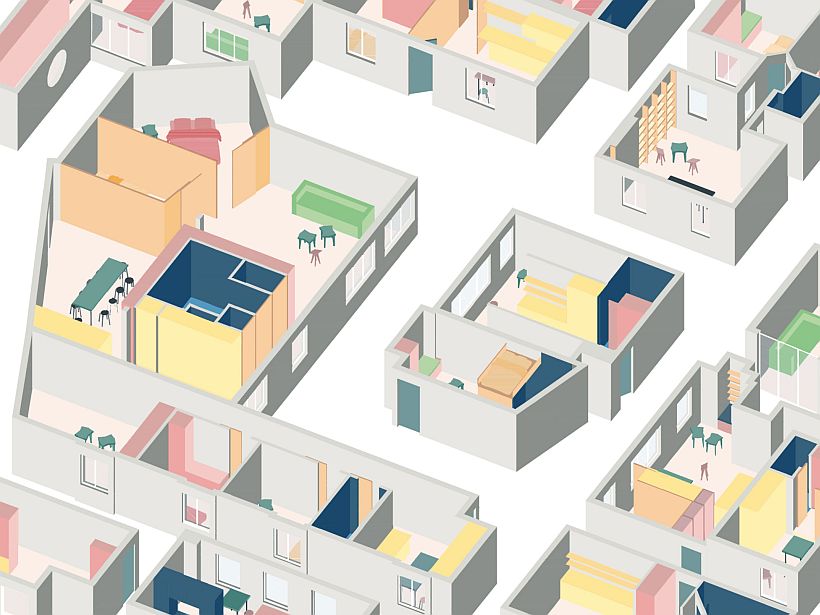
The history of modern architecture is full of dreams about dl flexibility and about solving the problem of living in a small space. If, as Louis Kahn said, the city is made of public corridors and rooms, maybe a good strategy for minimal dwelling could be thinking of an apartment as a continuation and interpretation of urban spaces, the final stage in the complex transition from total exposure to intimacy, from being together to being alone. The design as masterplan and the dweller as an entrepreneur and strategist of their own space: an answer to a system in which dwelling becomes a corporate business more than anything else and in which we can afford increasingly smaller houses and apartments.
- Recommend on FacebookTweet about it
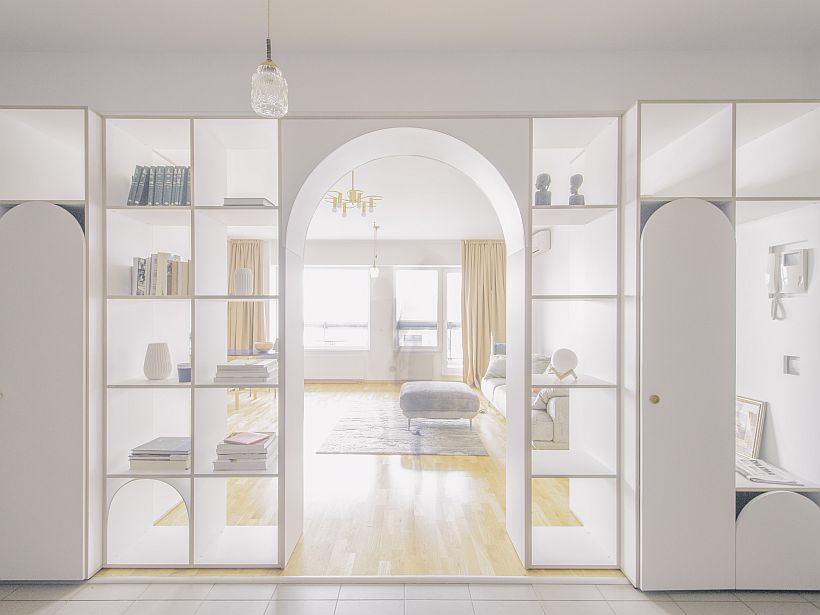
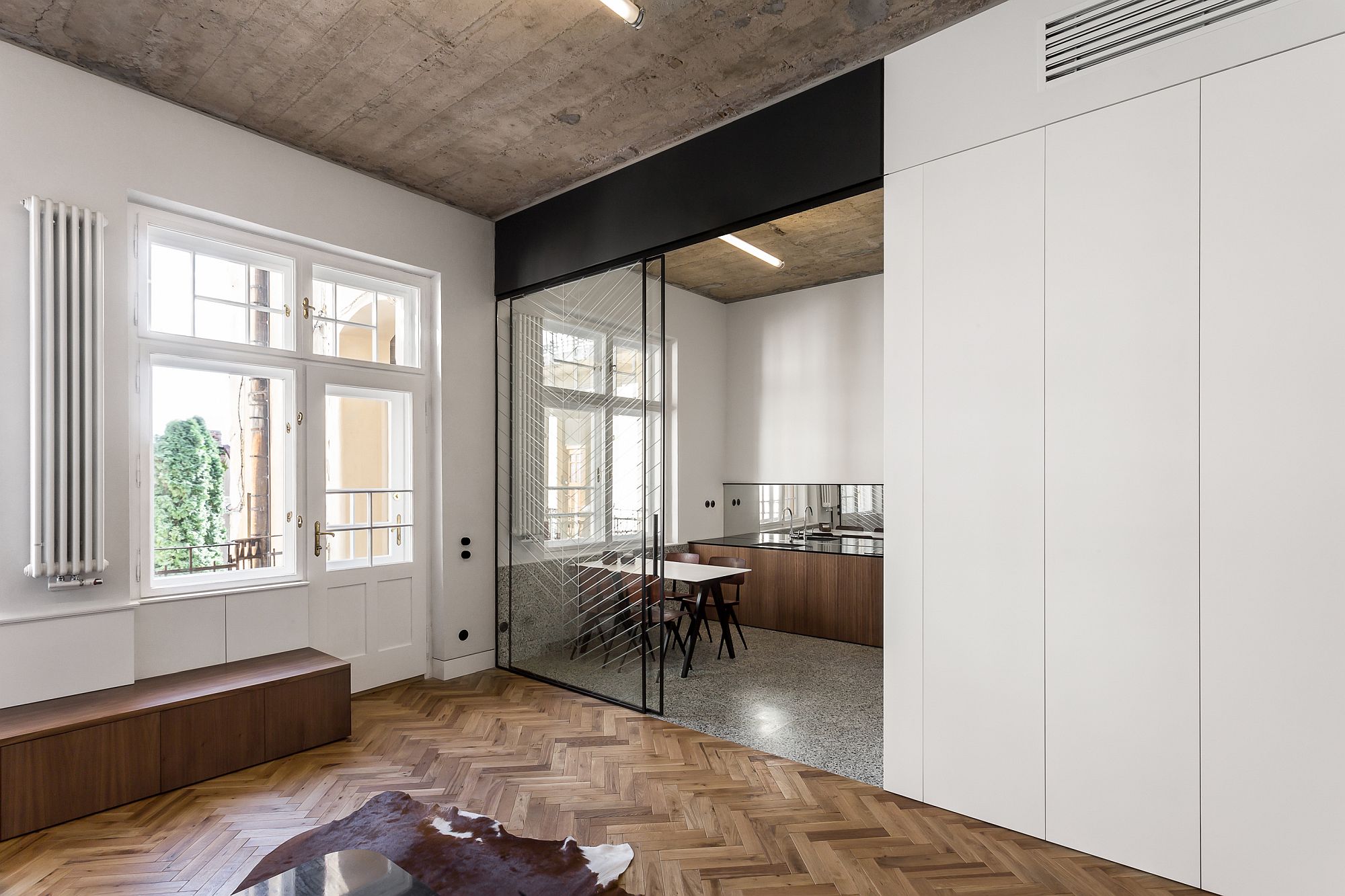
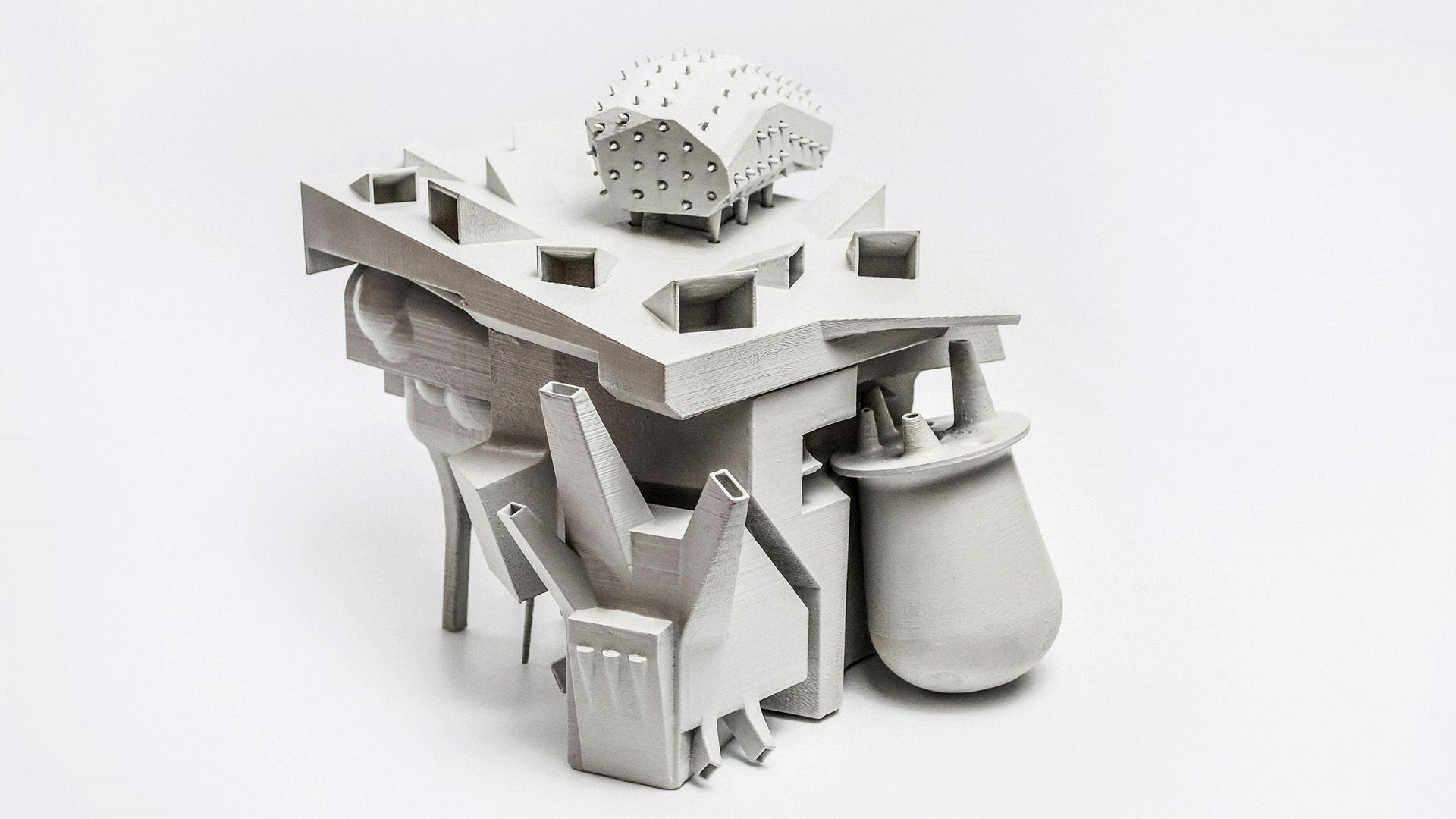
Stardust’s Anca Cioarec and Brîndușa Tudor seem to be extremely comfortable on the scale that borders architecture and design. Each project is approached sensibly and with care: the space and the bolt become part of the same family, and the cultural references and the love for history are visible even in the smallest works or details.
- Recommend on FacebookTweet about it
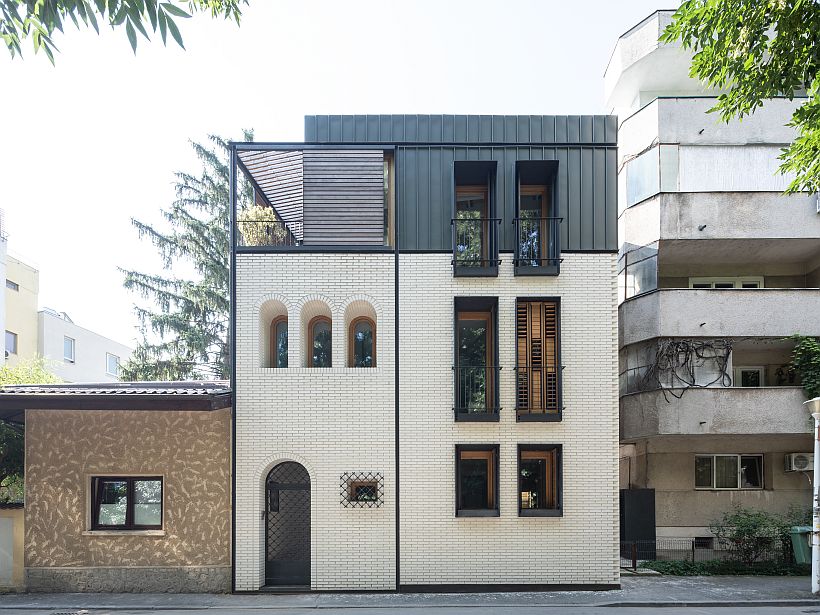
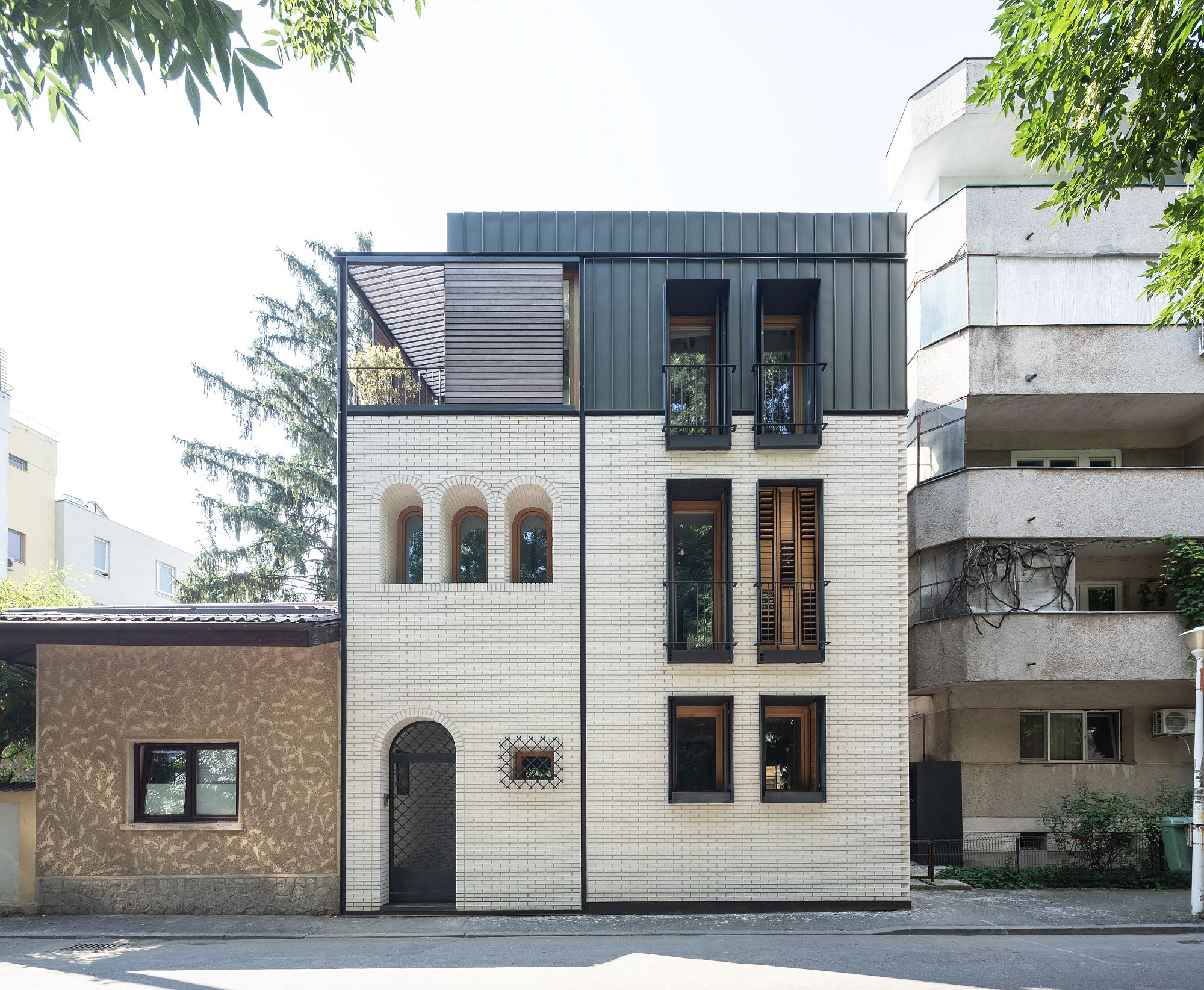
Aviator Protopescu Street, Bucharest. An already refurbished old house, and that in a dubious way. A new house based on previous ones. An almost forced eclecticism a world of many spaces and elements
Text: Justin Baroncea
Project: Justin Baroncea, Dragoș Dragnea
Photo: Radu Malașincu, Andrei Mărgulescu- Recommend on FacebookTweet about it
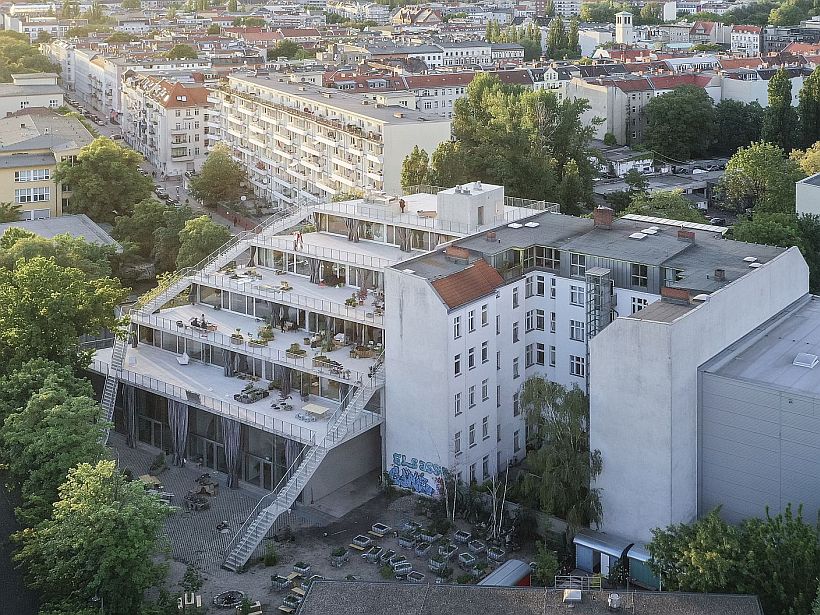
Project: Brandlhuber+ Emde, Burlon; Muck Petzet Architekten
Text: Ștefan Ghenciulescu
Photo: Laurian GhinițoiuProject listed as finalist at EU Mies van der Rohe Awards, 2019
- Recommend on FacebookTweet about it
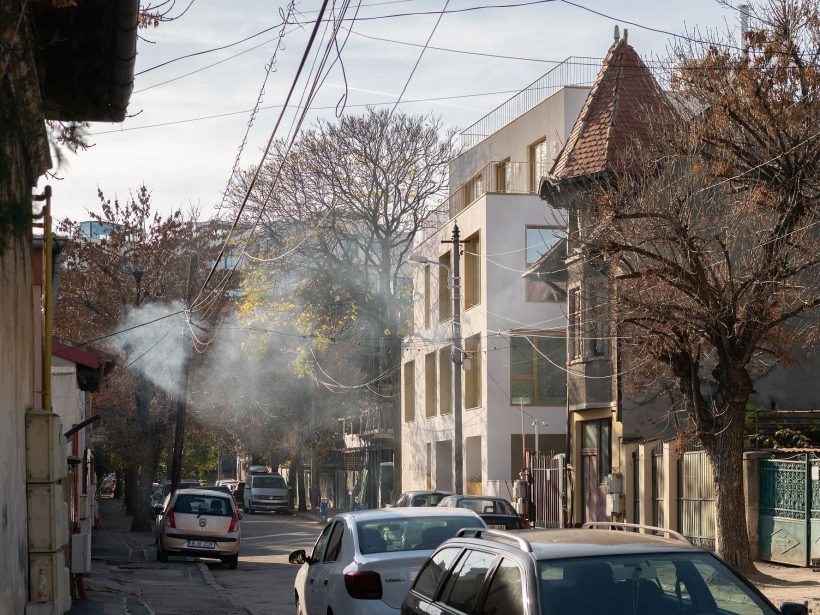
Text: Ştefan Ghenciulescu
Photo: Cosmin Dragomir, Daniel MiroThe area defined by the Polonă and Eminescu Streets and Șoseaua Ștefan cel Mare is part of a rather old part of the Romania capital, Bucharest, with quiet streets, and all sorts of architecture, from imposing villas and pretty blocks of flats, to old slum houses. There are many poor people there, although the social structure is rapidly changing. It does not have the prestige and coherence of some of its adjoining neighbourhoods, and, as such, it also hardly contains any protected areas.
- Recommend on FacebookTweet about it
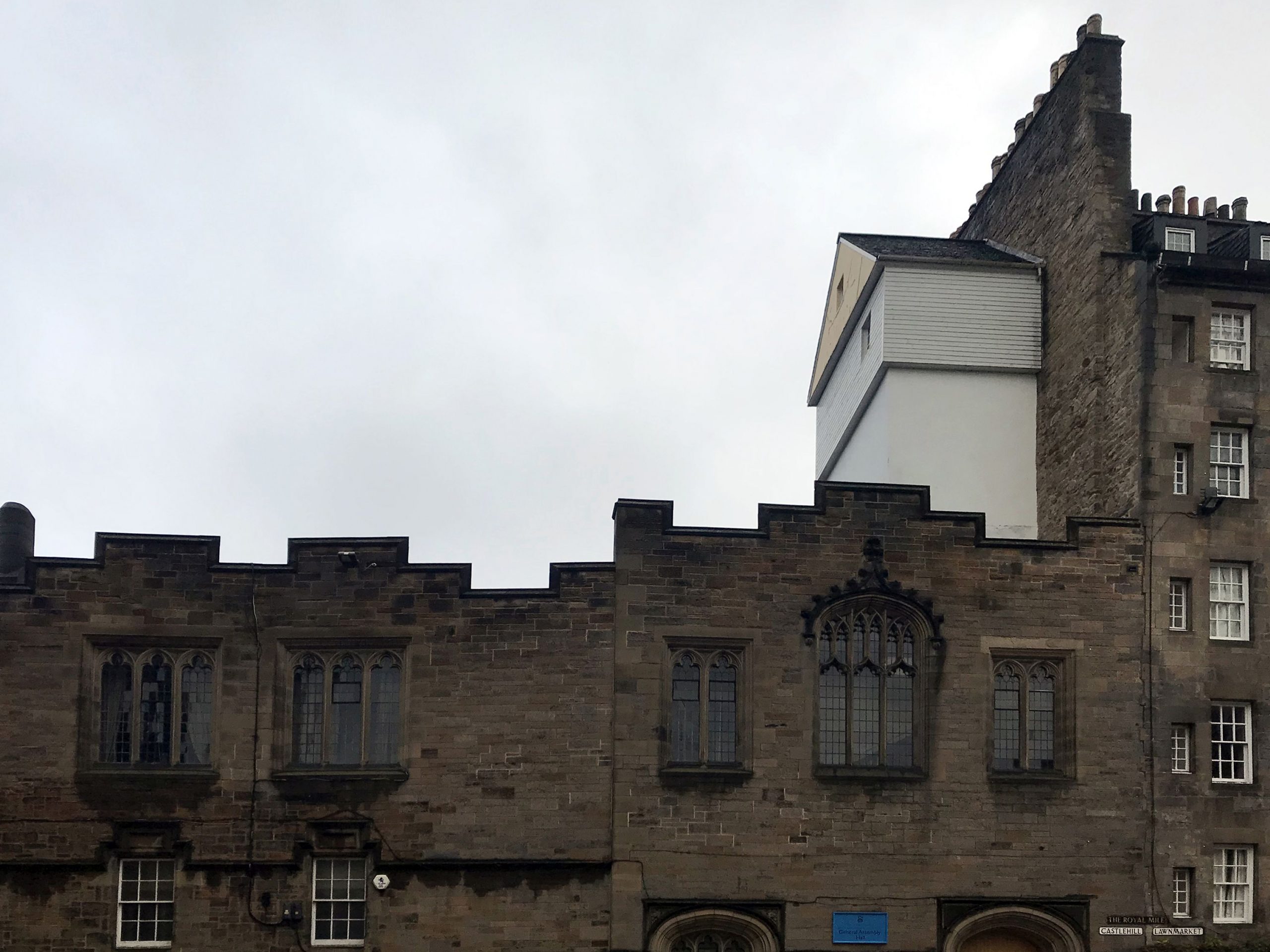
Text: Mugur Grosu
What can be more comforting when you get lost than the landmark on the map telling you where you are: you are here. Maybe a simple sign that indicates a destination. No wonder that in 2014 MoMA acquired for its permanent collection a representation of the red tear-shaped symbol that the Danish designer Jens Eilstrup Rasmussen had created for Google Maps.
- Recommend on FacebookTweet about it
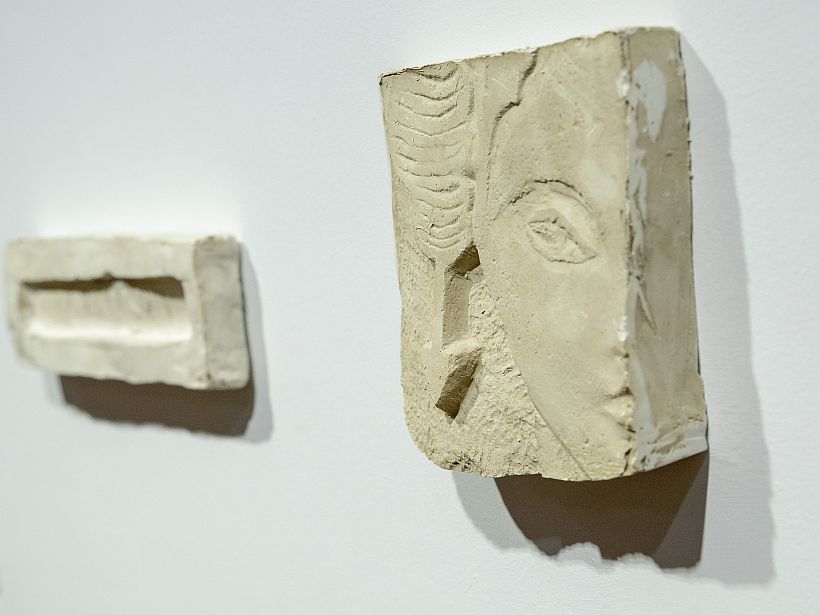
Organisers: Goethe-Institut, Zeppelin, Stardust Architects
Intro: Brîndușa Tudor, Anca Cioarec, Ștefan Ghenciulescu
On the occasion of the Bauhaus centennial, Goethe Institutes all around the world have organized special programs; they have brought exhibitions, movies, lecturers etc., but they have also organized their own events, pretty much everywhere, in cooperation with local organizations:
- Recommend on FacebookTweet about it
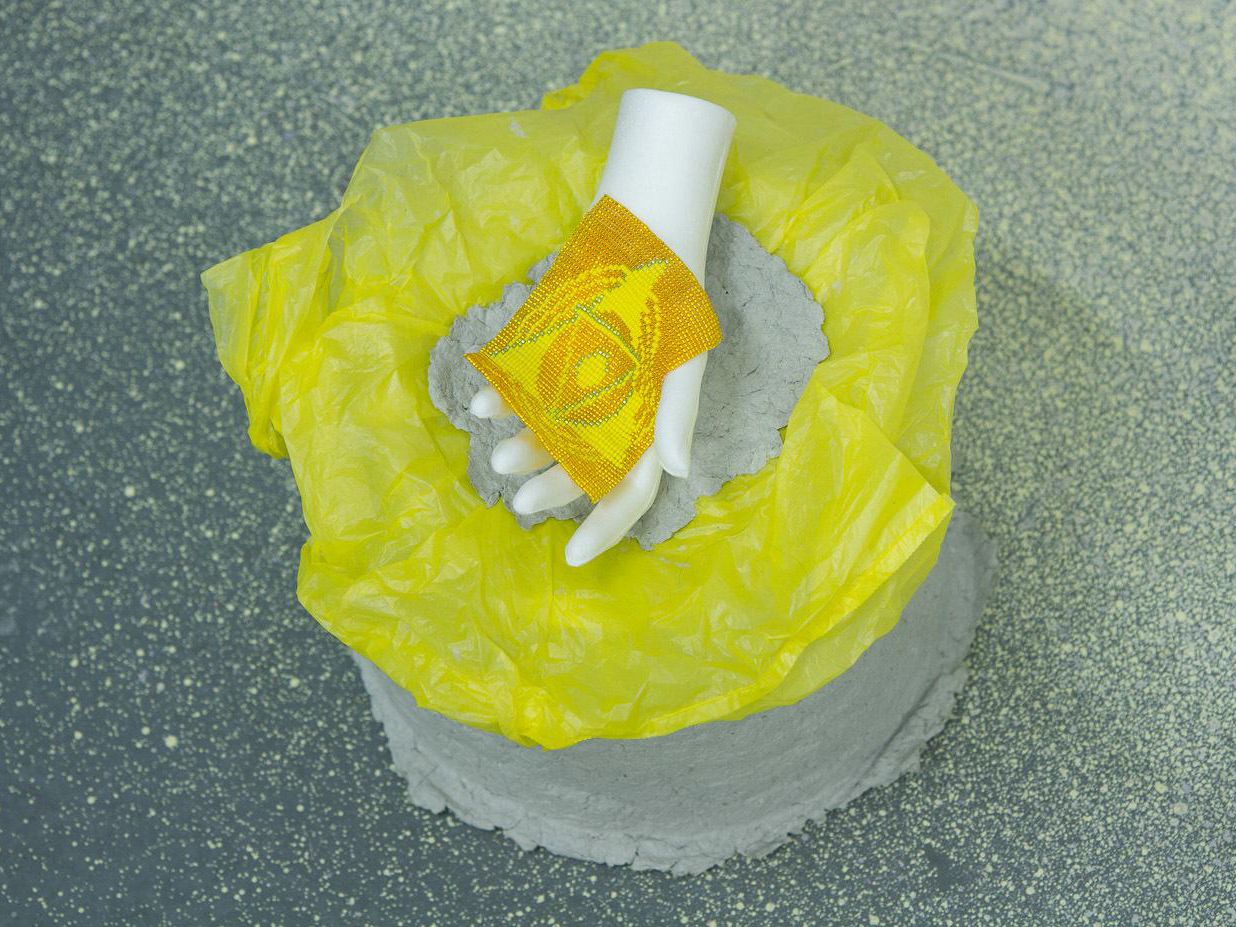
ElectroPutere AIR (artists in-residence) is a program of the Centre for Art Club ElectroPutere developed within the framework of the creative, production and research centre, located in the city of Craiova in southwestern region of Romania.
- Recommend on FacebookTweet about it
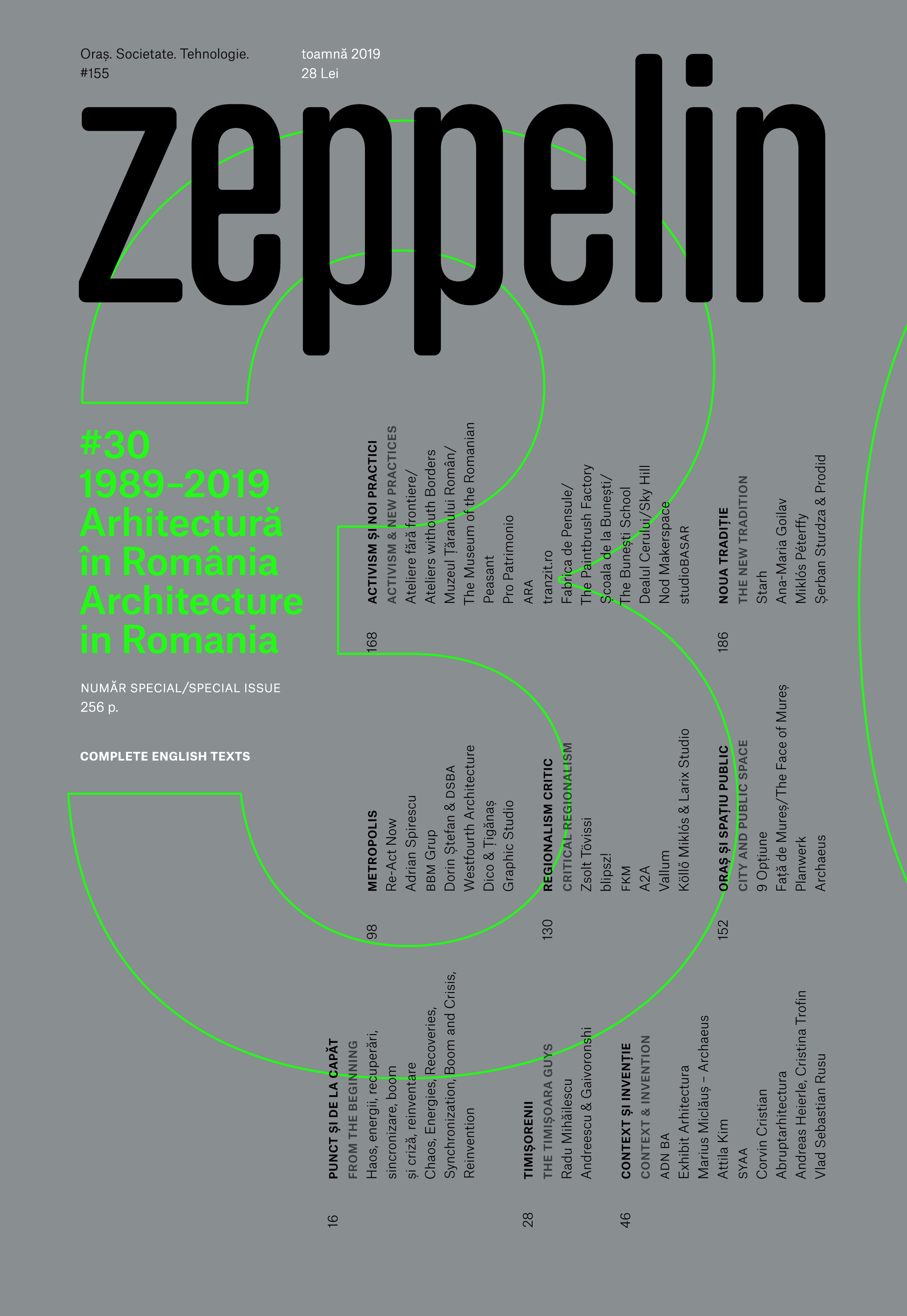
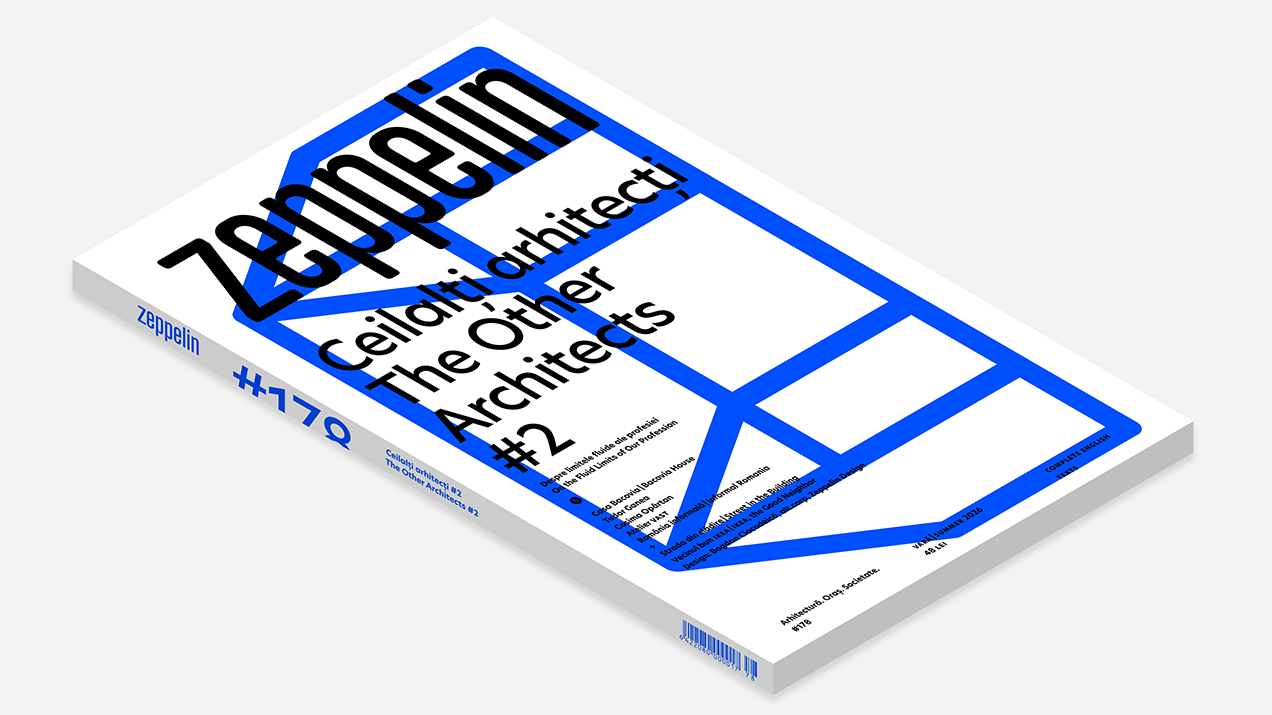
A special edition Zeppelin: #30. Arhitecture in România, 1989-2019.
An album of 248 pages, 8 chapters, almost 100 projects.
- Recommend on FacebookTweet about it
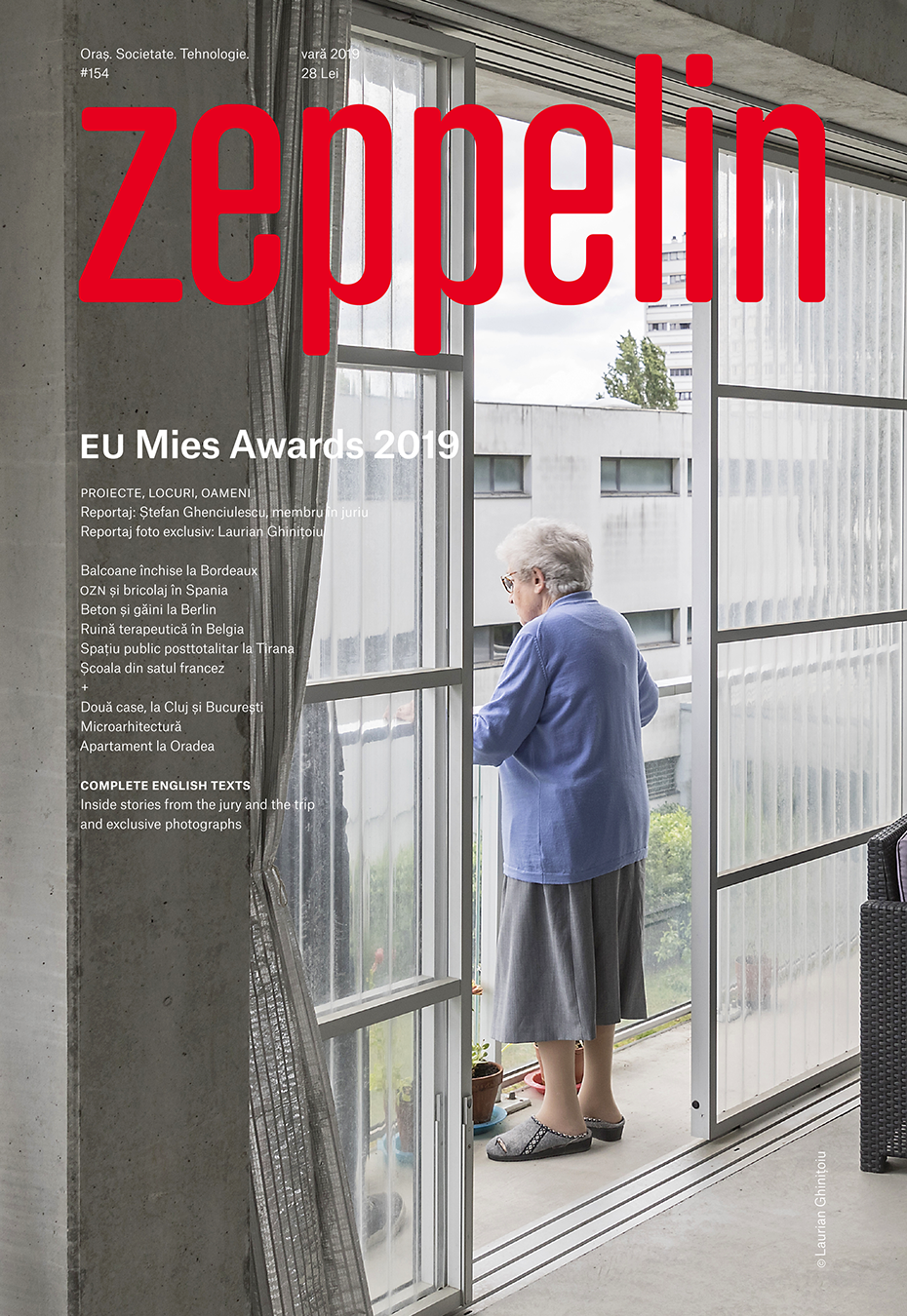
16. Edito: PUZZ_LIT. Poetry and resuscitation. On the street
Text: Mugur Grosu18. DOSSIER: EU Mies Awards 2019
20. Intro
Text: Ştefan Ghenciulescu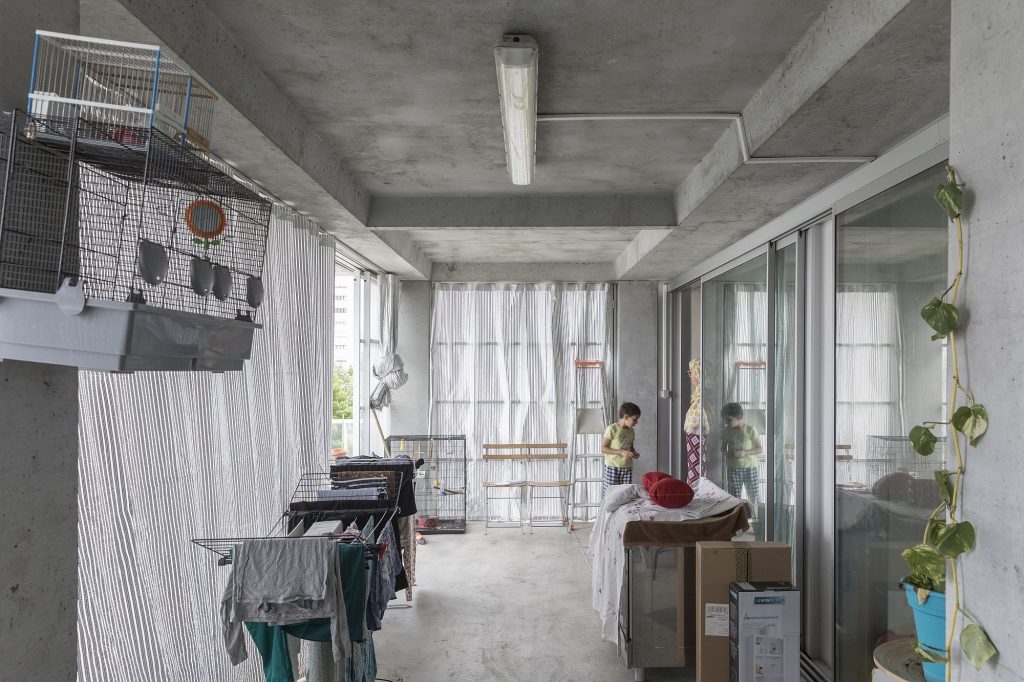
For over 12 years, I have nominated, as an independent expert, works for the EU Mies Award, as to use its shortened name. In 2019, I had the privilege to be part of this edition’s jury. Together with my colleagues, we shortlisted 40 projects of the 383 submitted, then 5 finalist projects, then the award. Andwe visited all the 5 works selected in the final, as well as the one receiving the award for emergent architecture.
One week, 6 countries, 13 cities (because not all of them could be directly reached).
On-site discussions with architects, customers and, in some cases, users.
Architecture in all its states, and from many, many perspectives. […]30. Beacon, Boundary Marker, Cocoon,and Bricolage
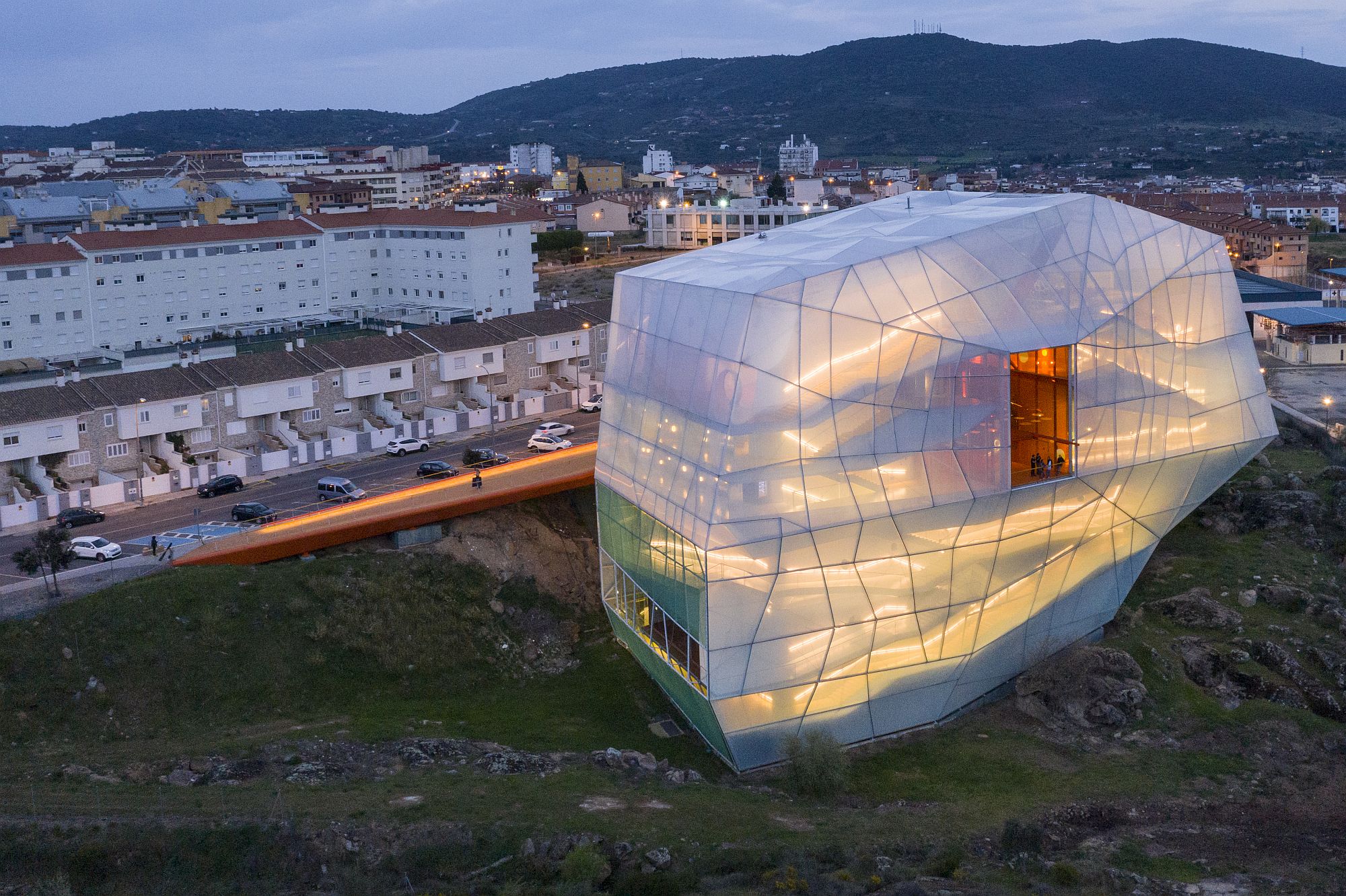
Cultural Center and Auditorium, Plasencia, SpainProJect: Selgascano
Photo: Laurian Ghiniţoiu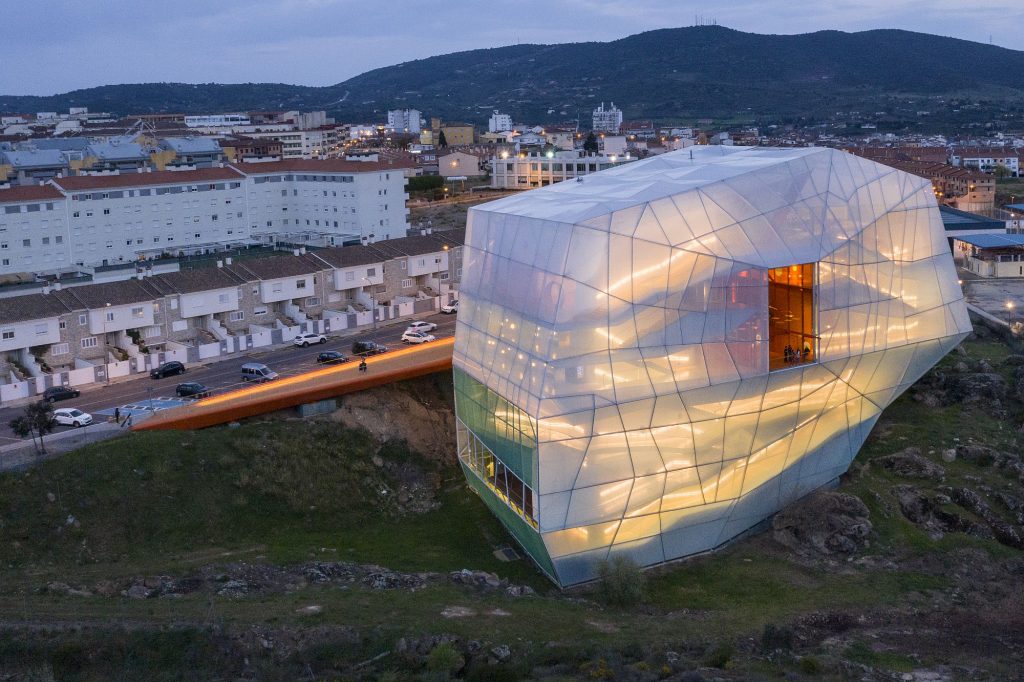
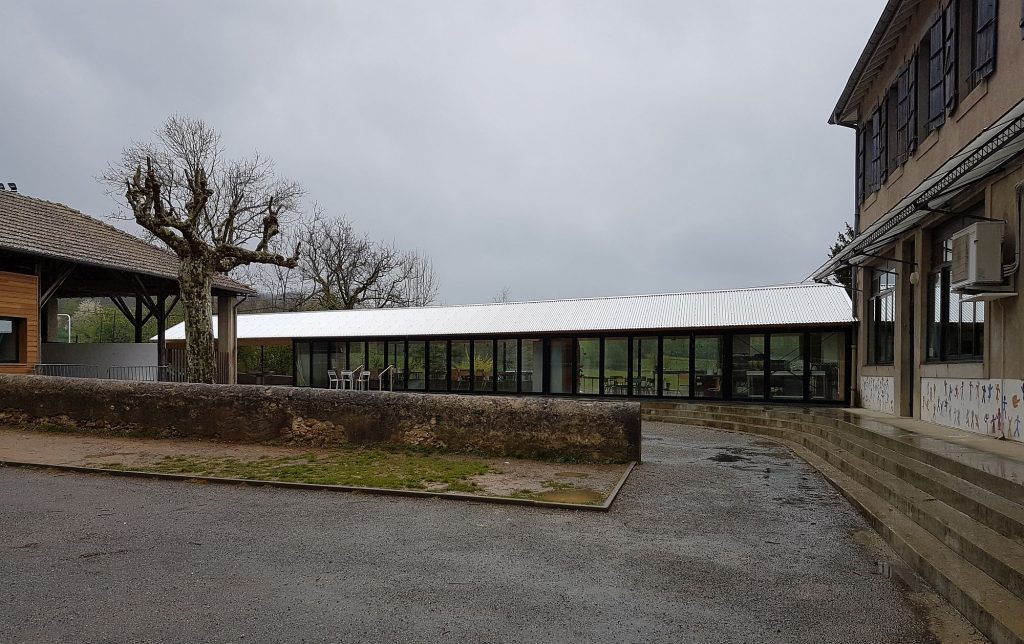
48. E26 (School Cafeteria)
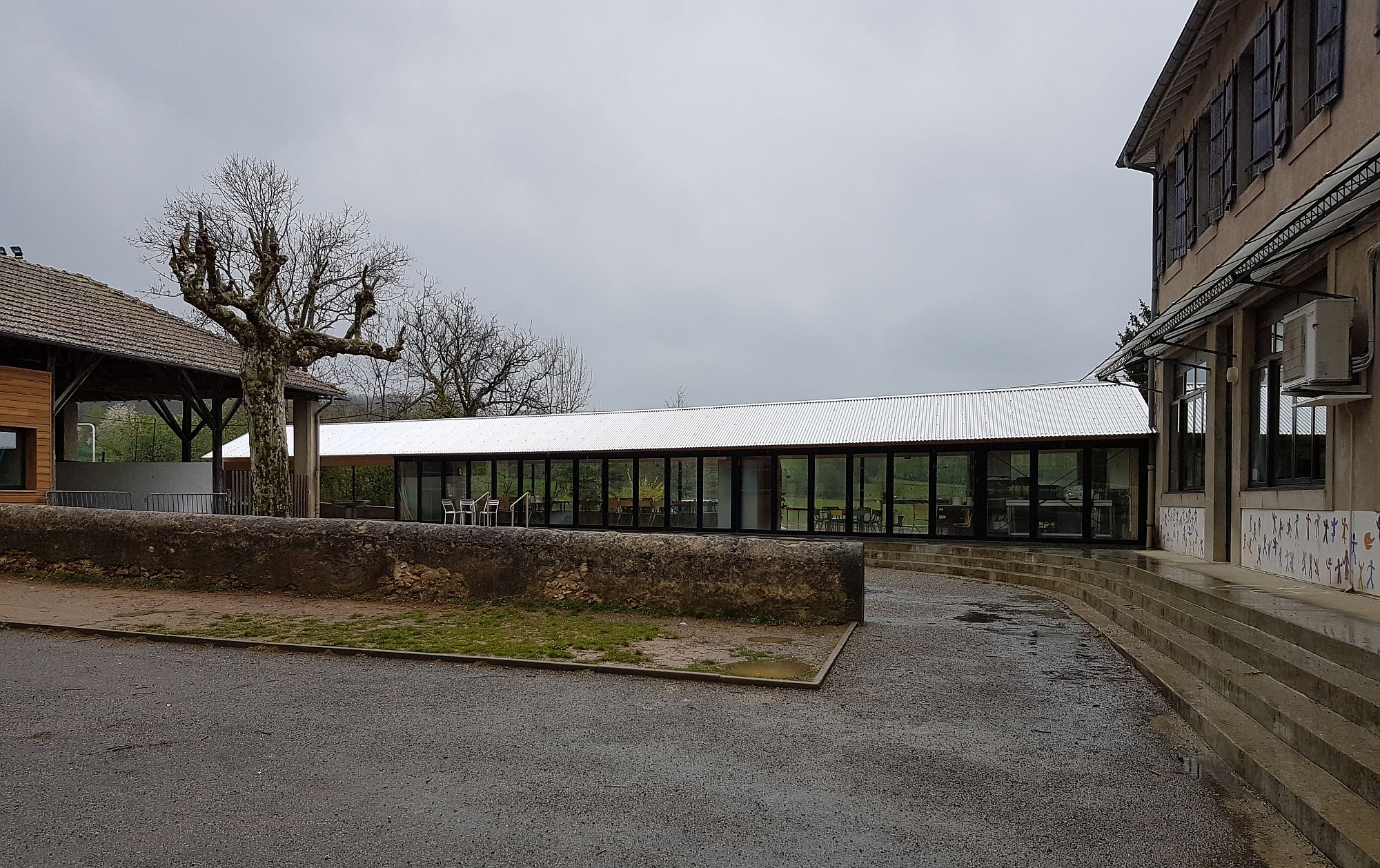
Montbrun‑Bocage, FranceProject & photo: BAST
56. A Beautiful and Responsible Project
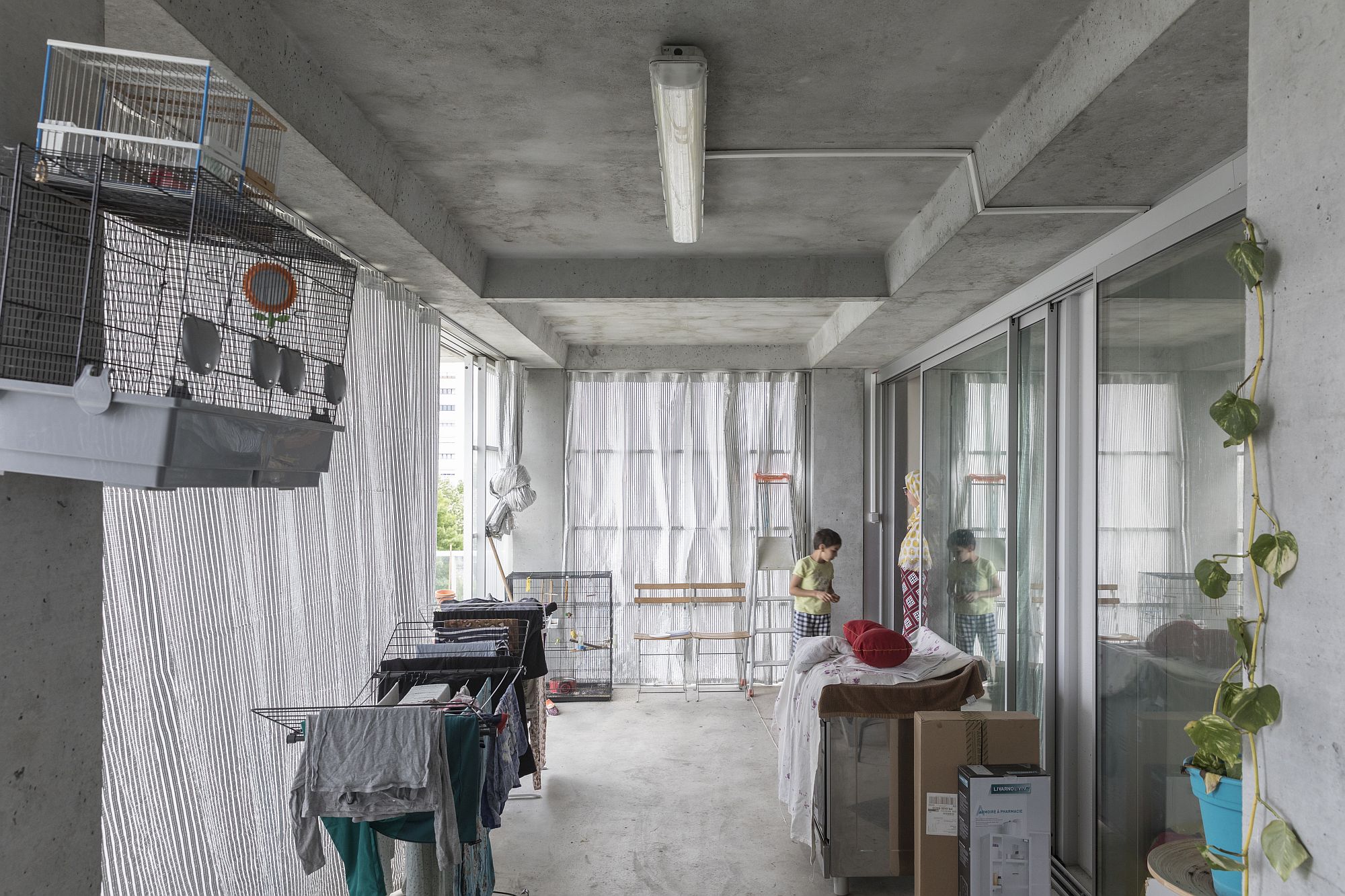
The Transformation of 350 Dwellings, the Grand Parc Neighbourhood, Bordeaux, FranceProject: Lacaton & Vassal architectes; Frédéric Druot Architecture; Christophe Hutin Architecture
Photo-reportage: Laurian Ghiniţoiu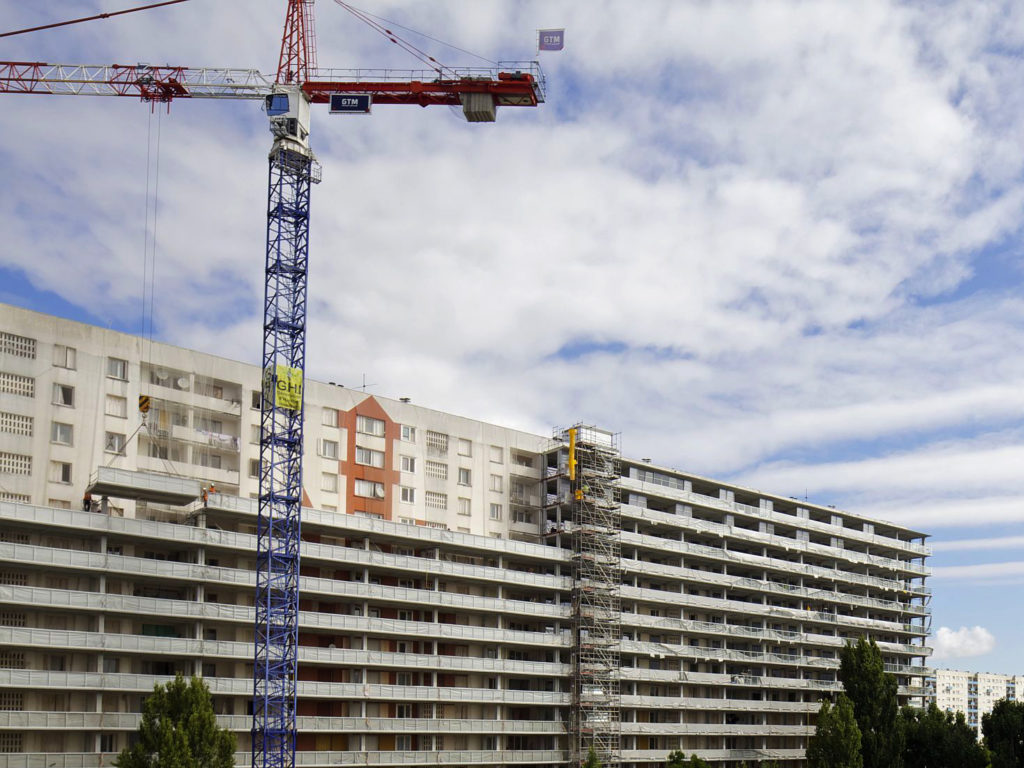
The project consists in the transformation of 3 modernist social housing buildings from the 60s , while keeping the tenants inside during the process. […]
72. The Lamp Post in the Middle of the House
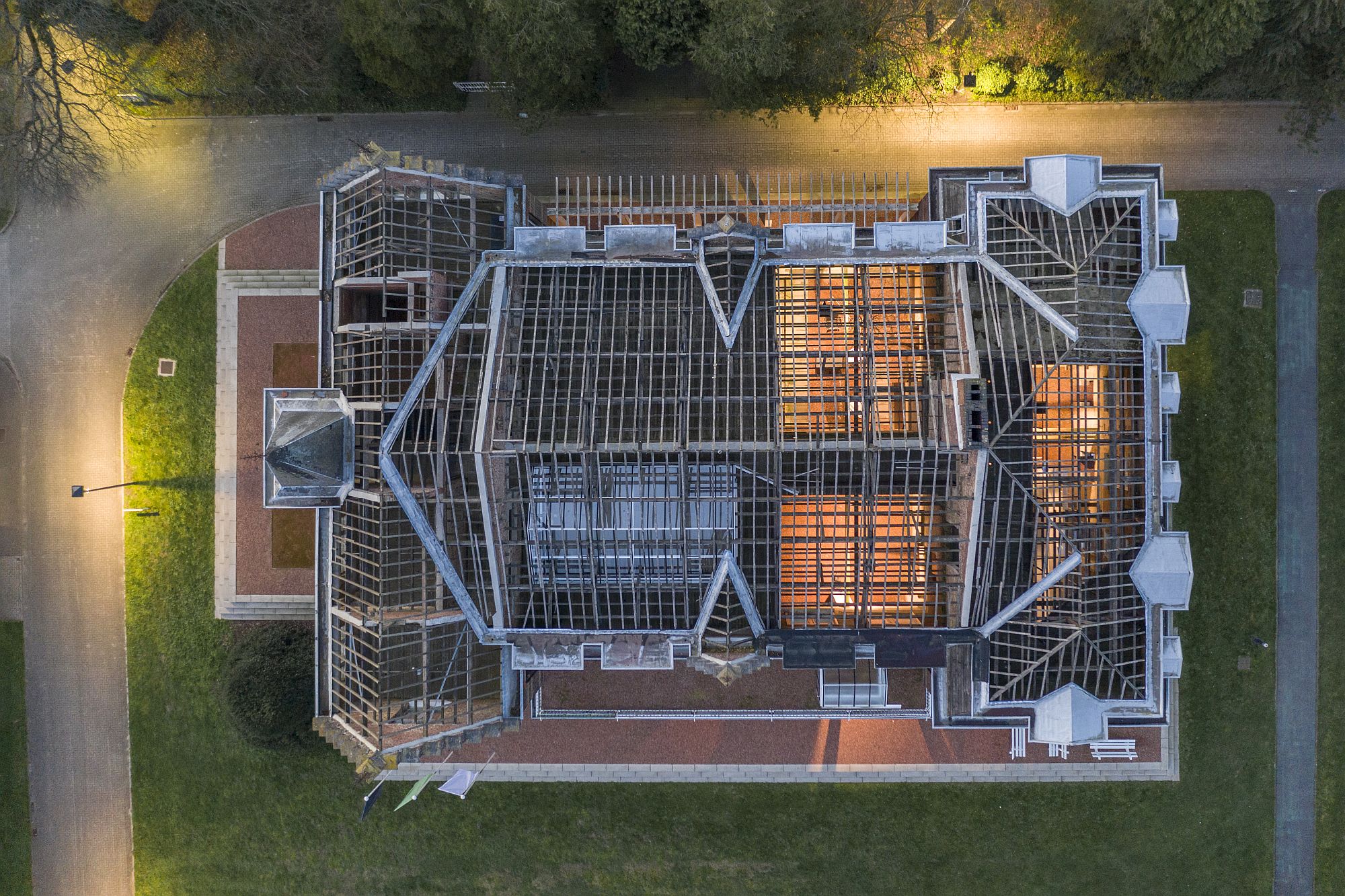
PC CARITAS, Melle, BelgiumProject: De Vylder Vinck Taillieu
Photo: Laurian Ghiniţoiu, Filip Dujardin, De Vylder Vinck Taillieu, BAVO, PC Caritas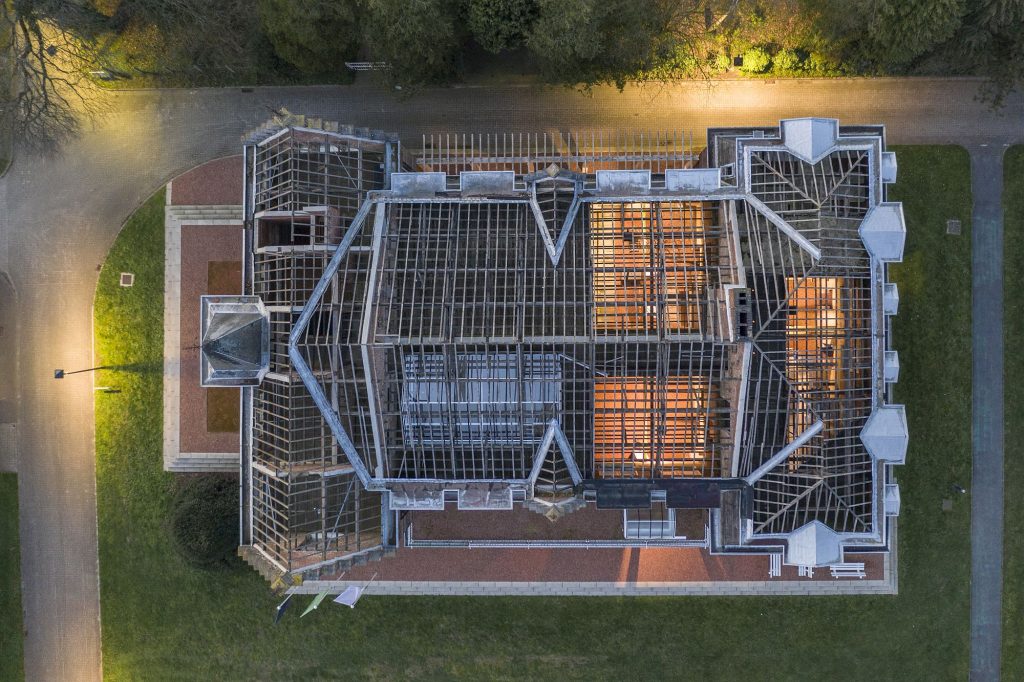
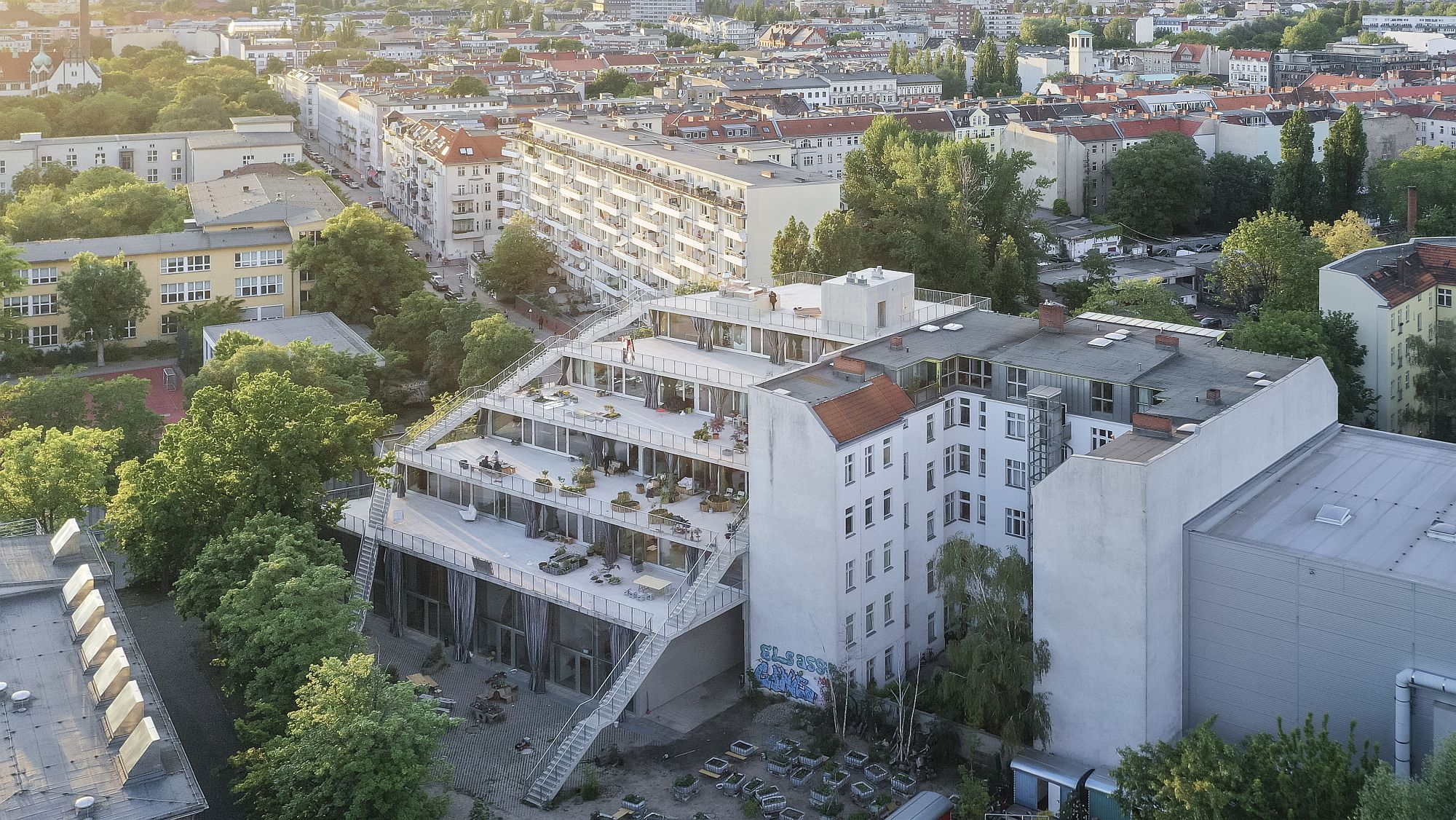
90. A Radical Hill
Lobe Block, Berlin, GermanyProject: Brandlhuber + Emde, Burlon, Muck Petzet Architekten
Photo: Laurian Ghiniţoiu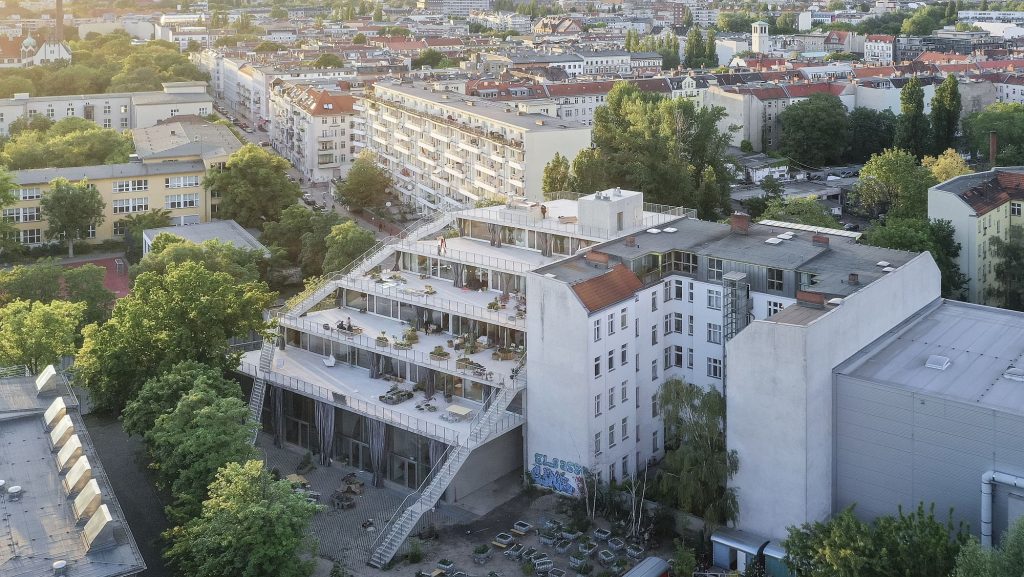
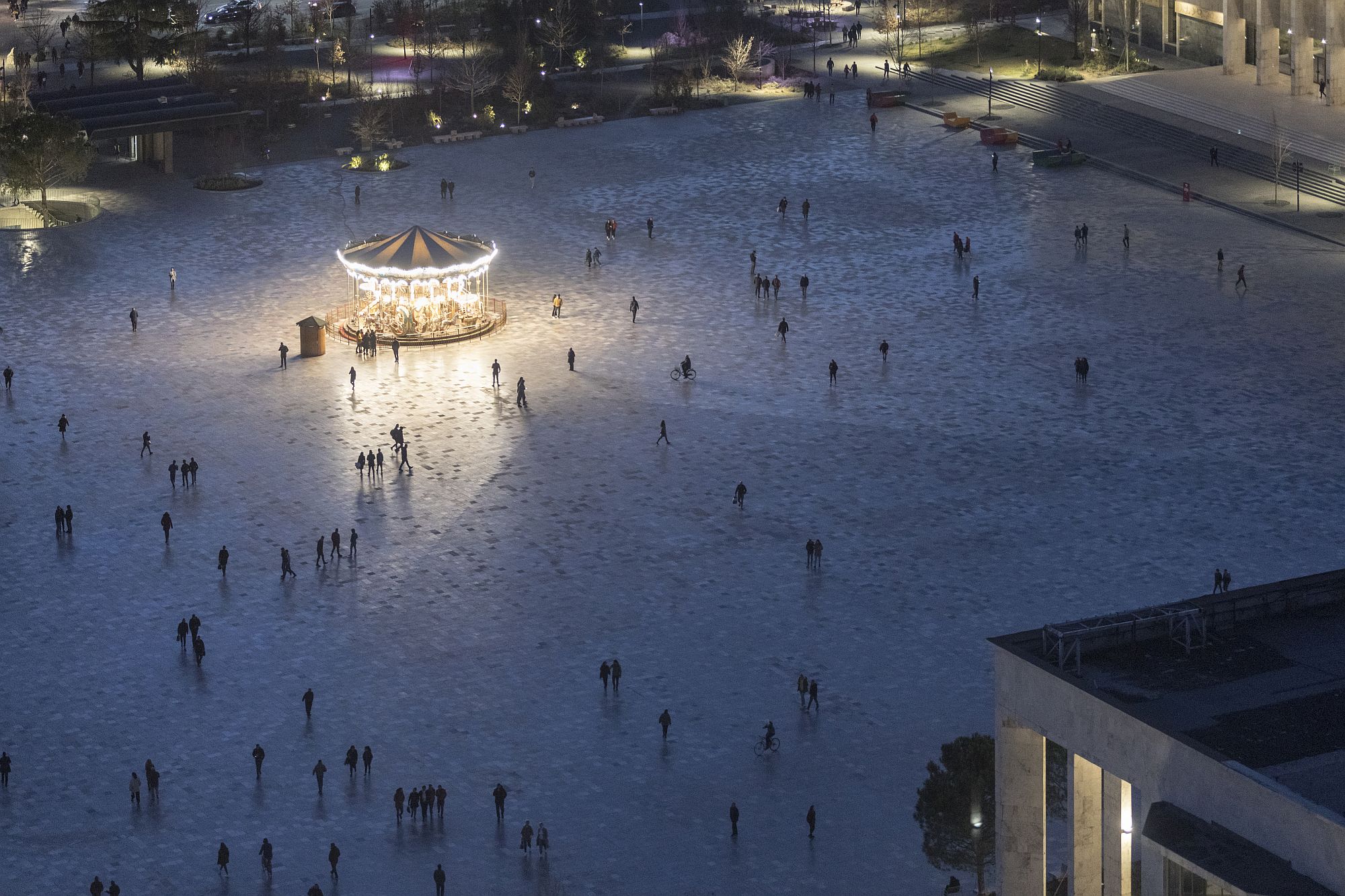
104. Skanderbeg Square
Tirana, AlbaniaProJect: Anri Sala, Plant en Houtgoed, iRI
Photo: Laurian Ghiniţoiu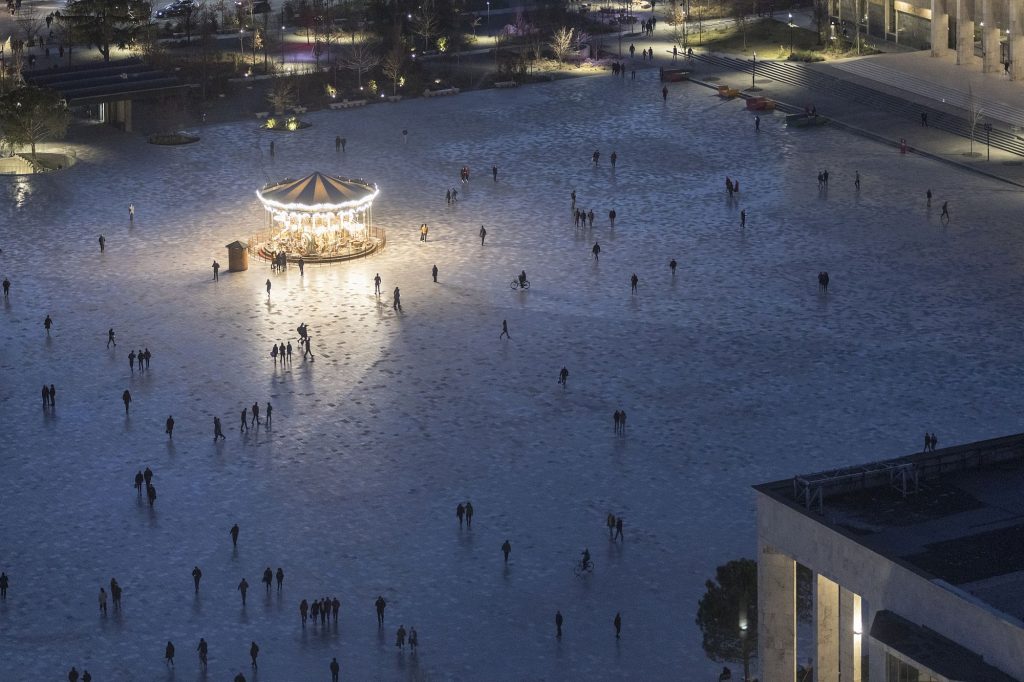
122.. ZOOM
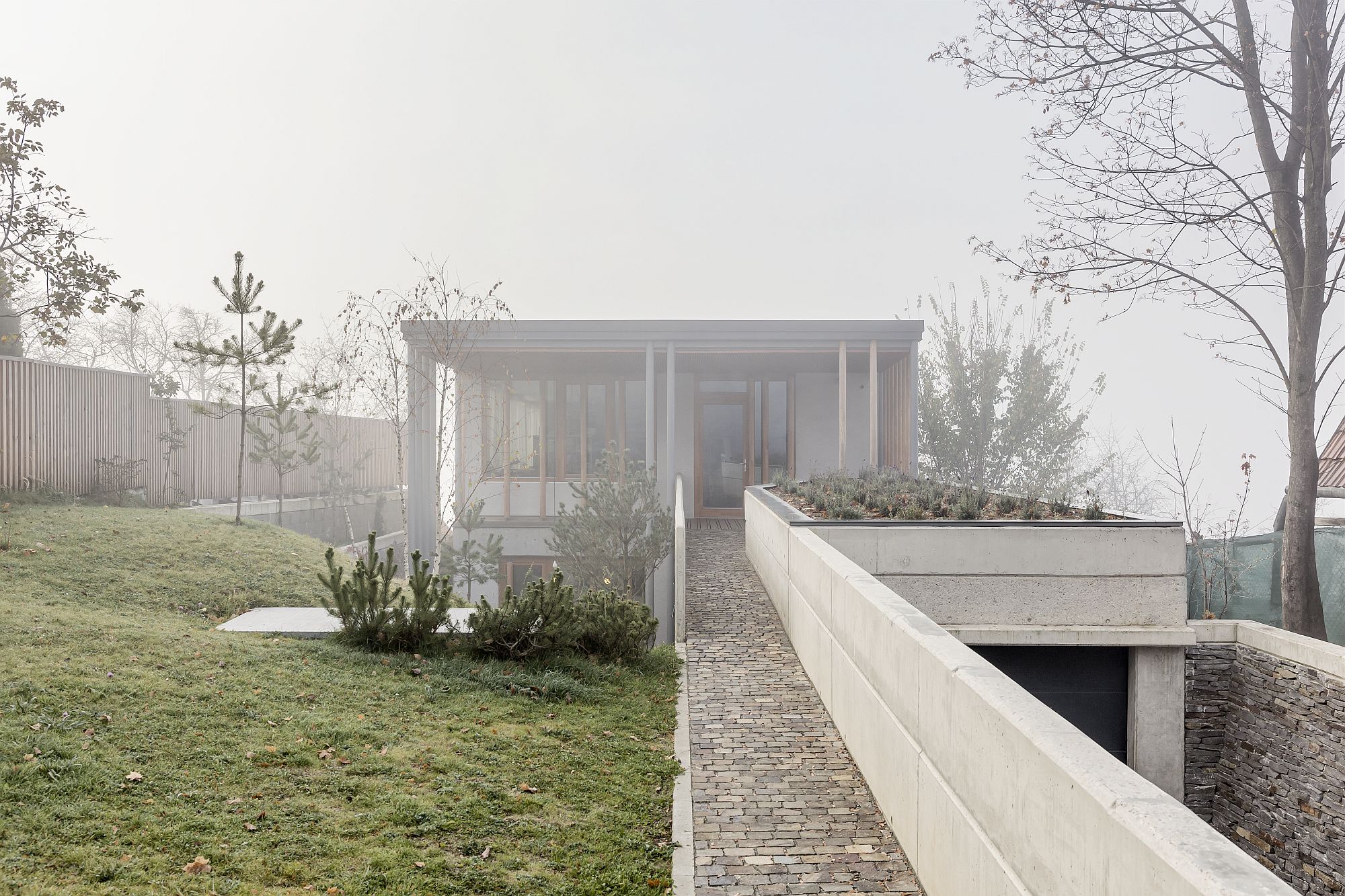
126. Nădăşan House, Cluj
Project: Miklós Péterffy
Text: Ştefan Ghenciulescu
PhFoto: Balázs Danyi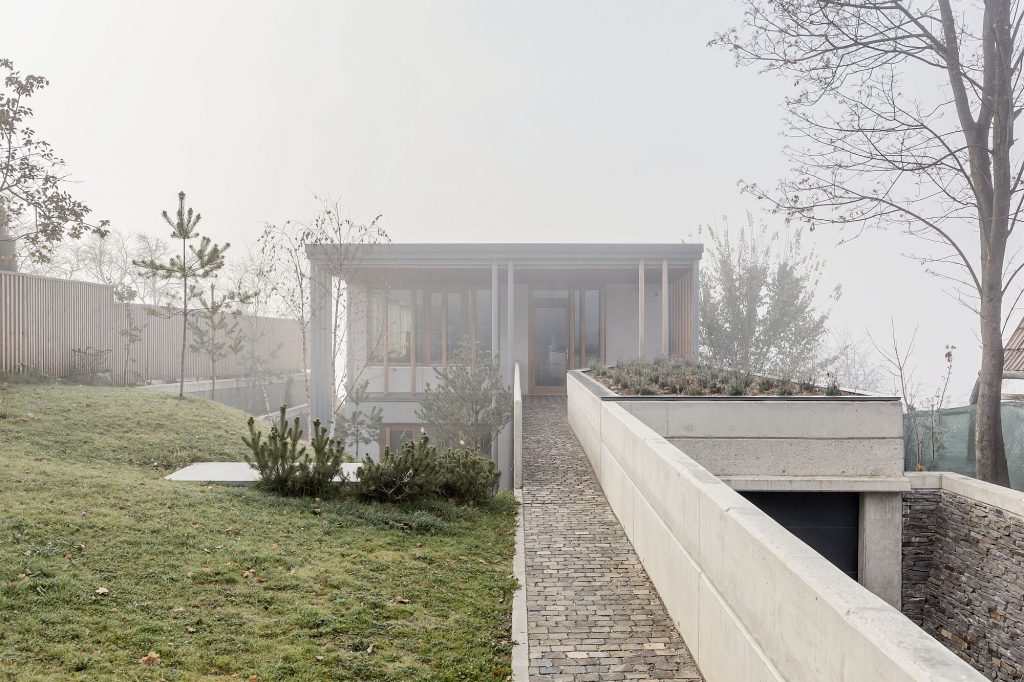
142. C_LAD
The Last House but One Down the StreetProject: Justin Baroncea, Dragoş Dragnea
Text: Justin Baroncea
Photo: Radu Malaşincu, Andrei Mărgulescu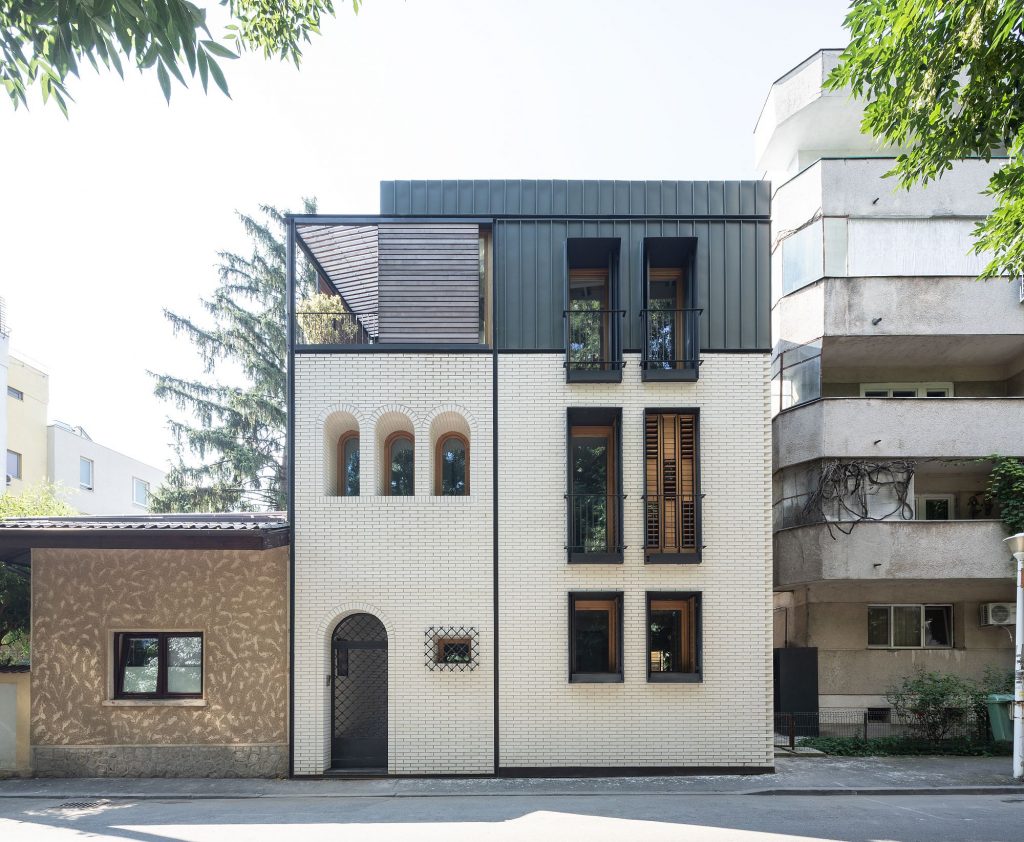
154. Added Value
Refurbishment of an Apartament in the Ertler Building, Oradea
Project & text: Alexandru Szűz Pop
Photo: Kinga Tomos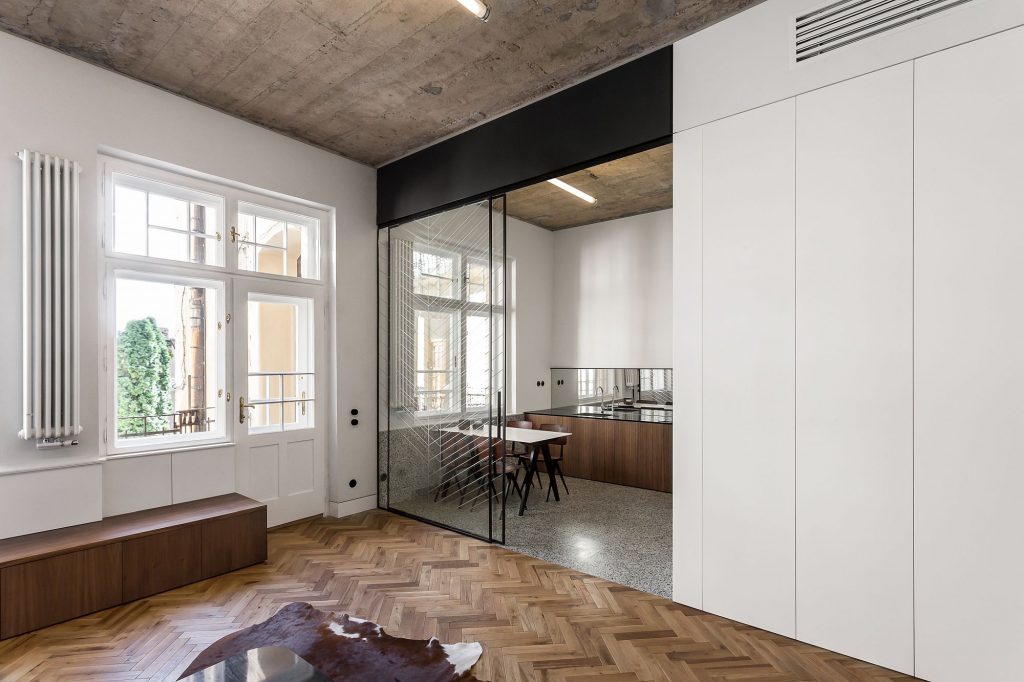
Refurbishing a dwelling is a sort of a constant architects’ job: most times, this is how you start your career but, and this is also valid for very famous architects, these interior design projects continue to show up long after your starting years.
Almost the same as the individual home, an apartment refurbishment allows for explorations and experiments, which can influence larger-scale projects. More important, however, is the added value of such a project: what can you do/influence/generate, besides answering the topic itself ?
One of the things that the Romanian Design Week 2019 jurors appreciated so much in Alexandru Szüz Pop’s project was the approach of a wonderful example of Transylvanian Sezession. The project is inspired from the architectural principles of the building’s project, and symbolically reconstructs the lost original compartmentalization, overlaid on the new spatial limits. Besides, it also provides an example of good practice, through the respectful retake on the original joinery. All of it without the smallest trace of pastiche or stylistic reinterpretation. […]
162. The Joy of Micro‑Architecture
stardust architectsText: Anca Cioarec & Brînduşa Tudor
Photo: Teodora Ungureanu, Vlad Albu, stardust architects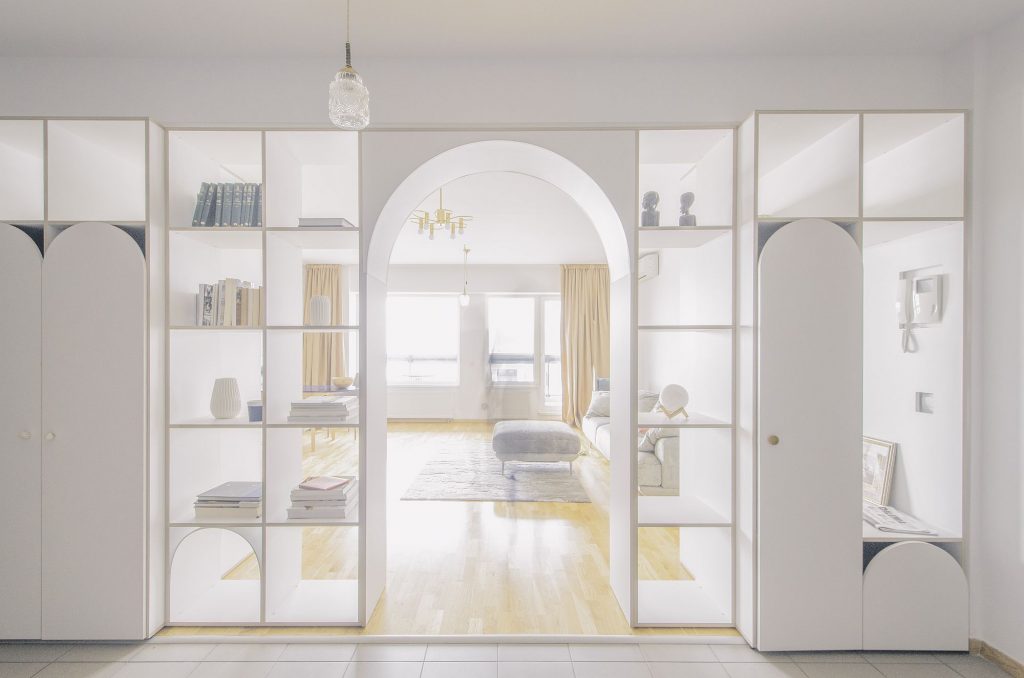
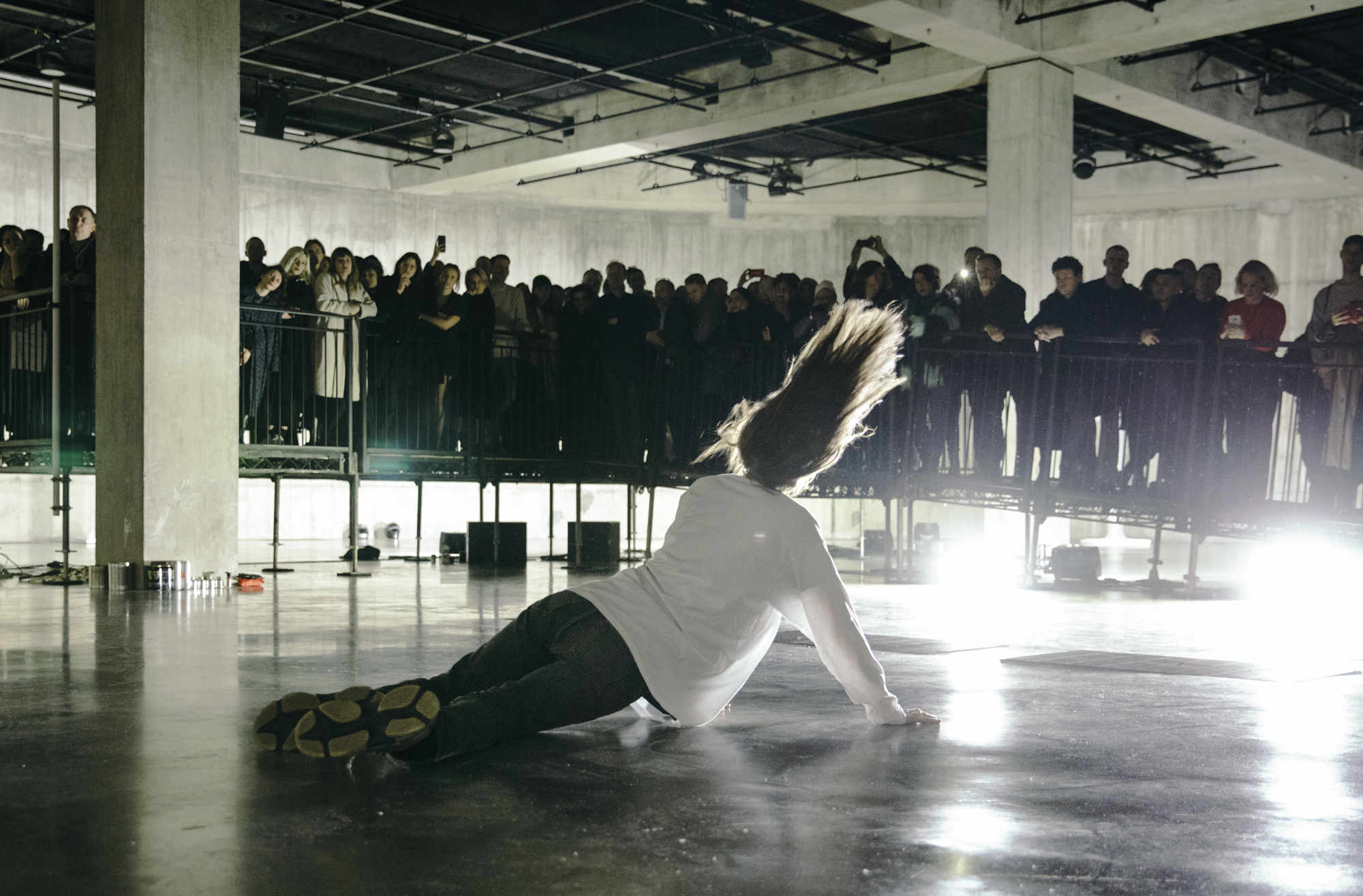
180. Sex by Anne Imhof
A Show Where Architecture Plays a Key Role
Text: Cosmina Goagea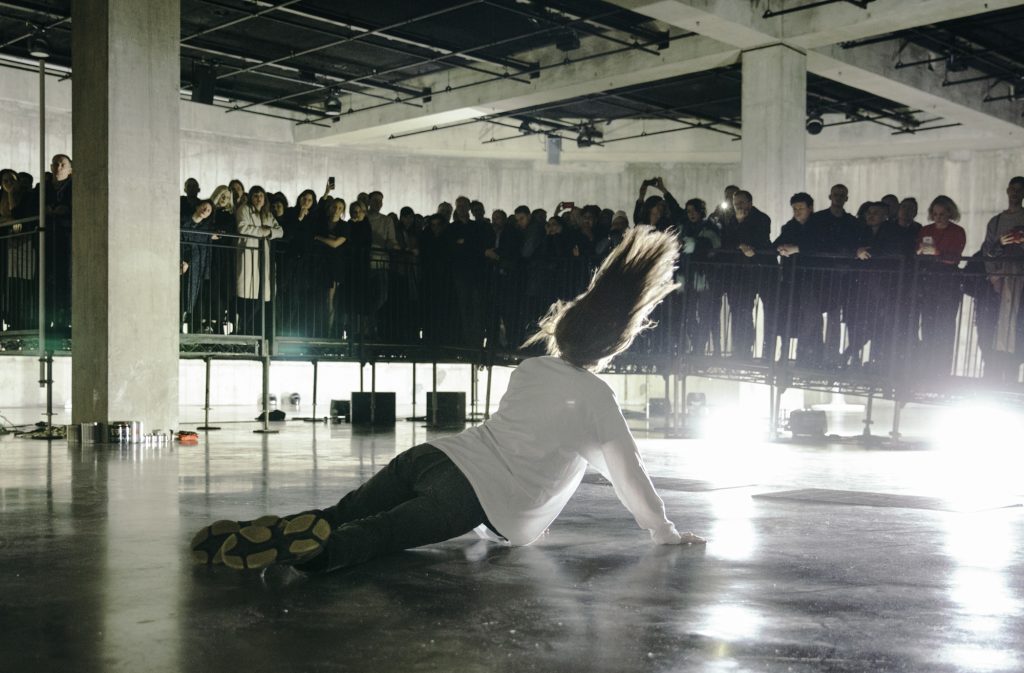
185. Fictional projects & real problems
Archiprix International 2019/ Hunter Douglas Awards
Text: Cosmina Goagea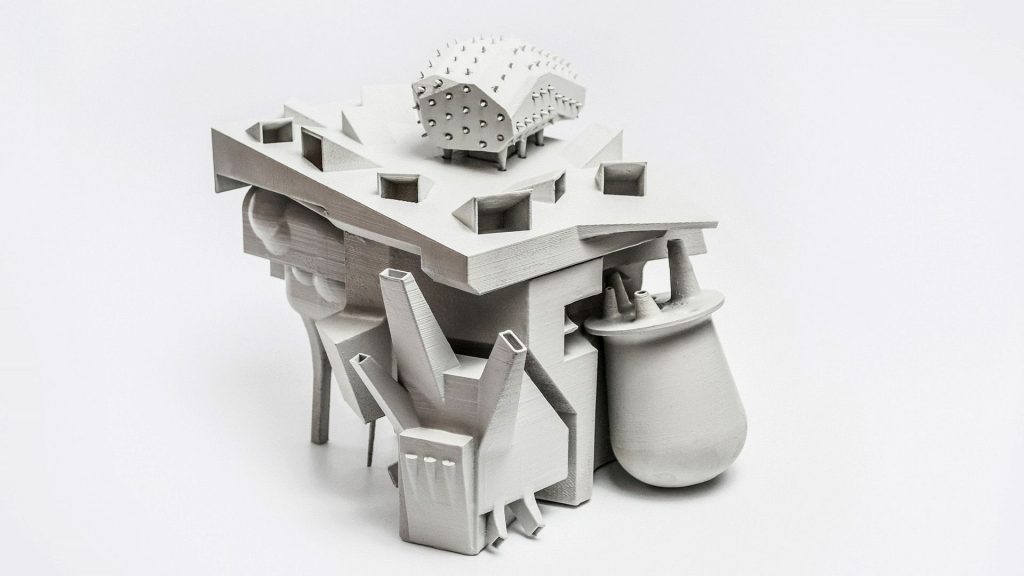
194-224. PLANS
- Recommend on Facebook

Architecture.
City.
Society.