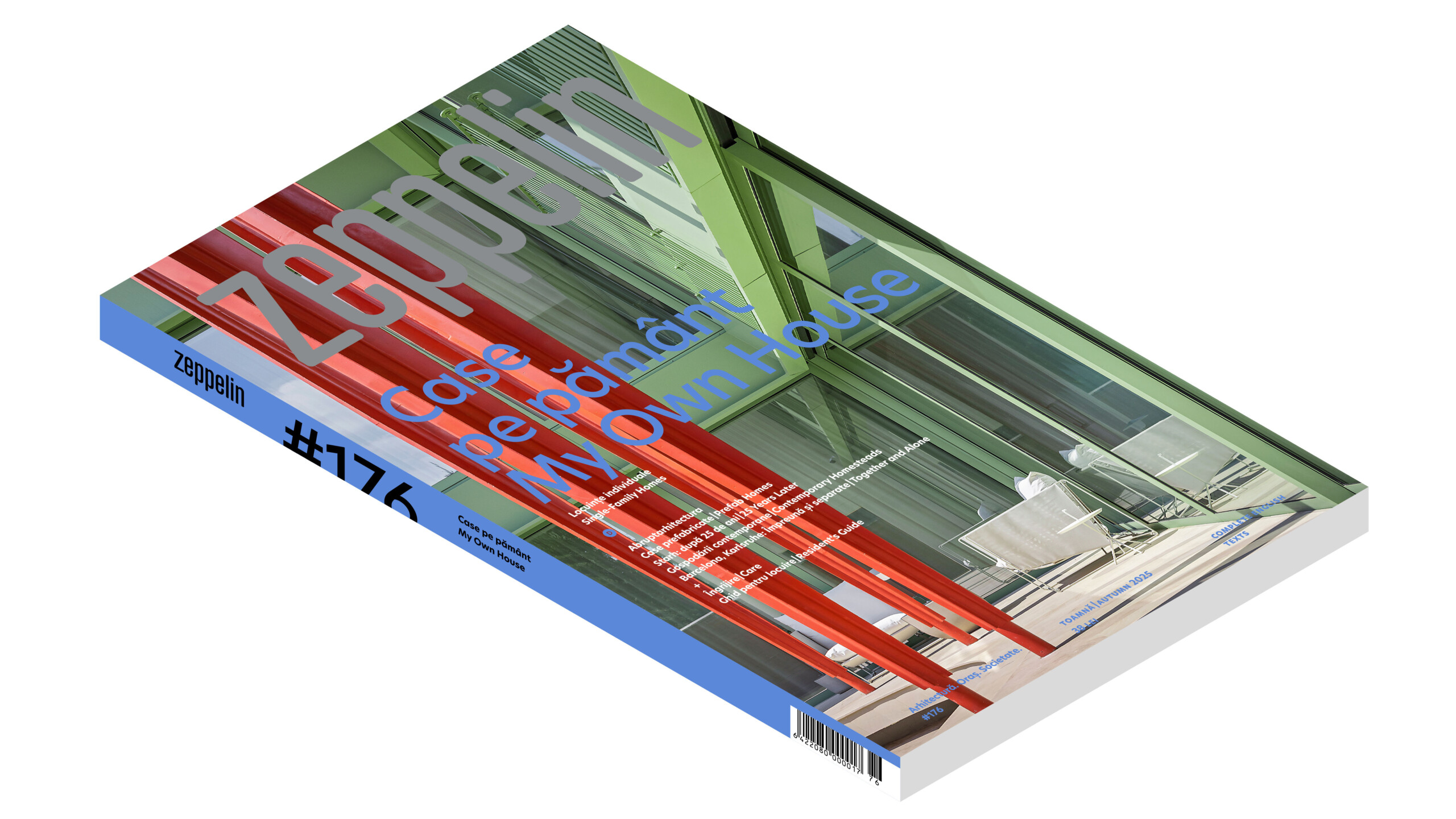

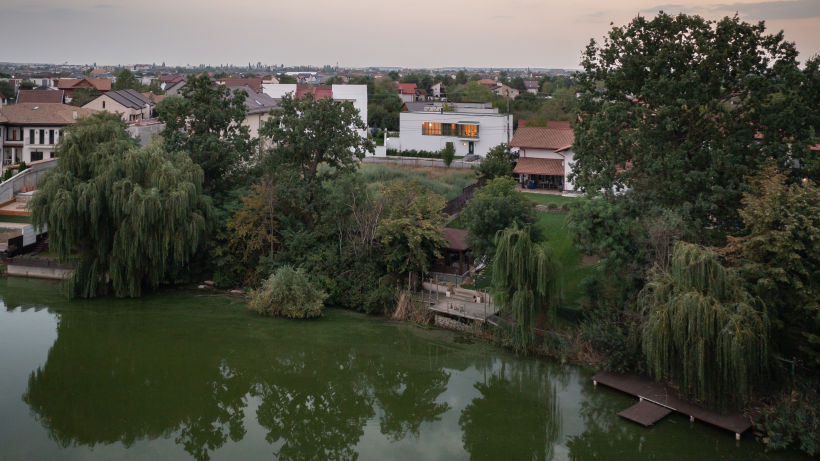
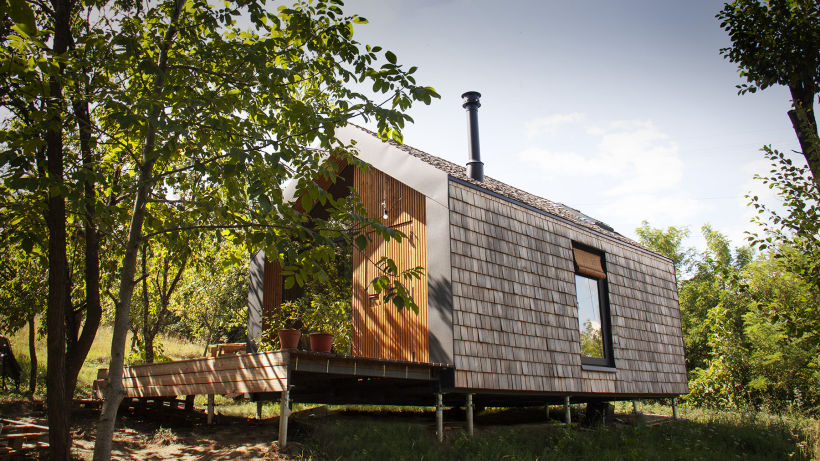
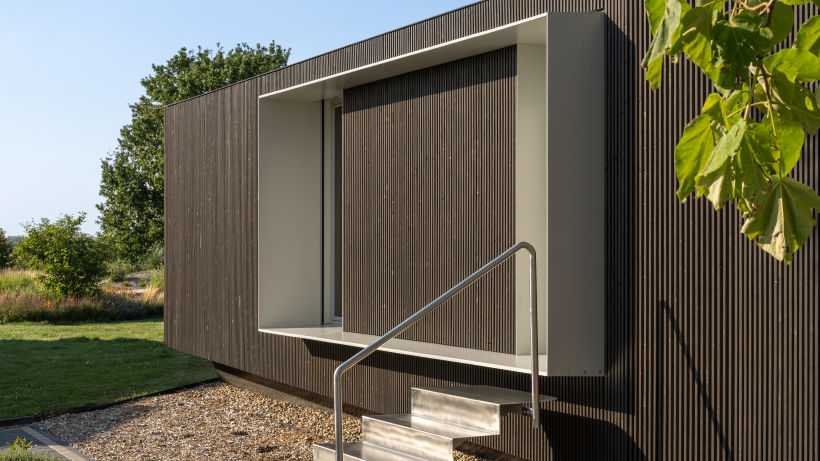
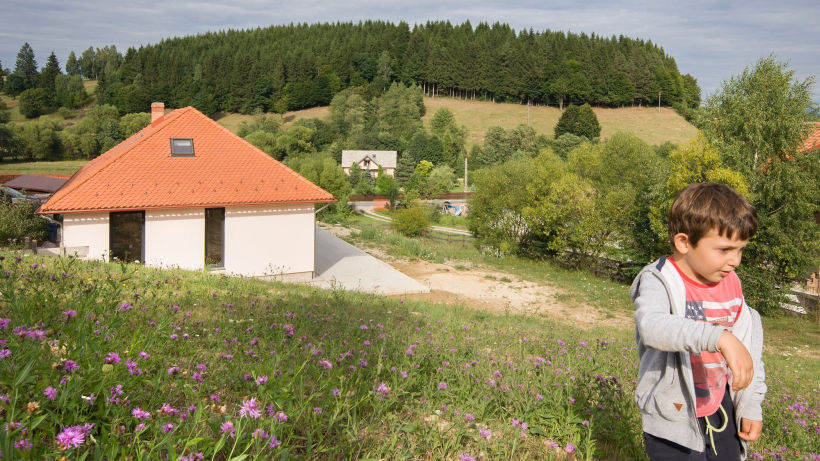
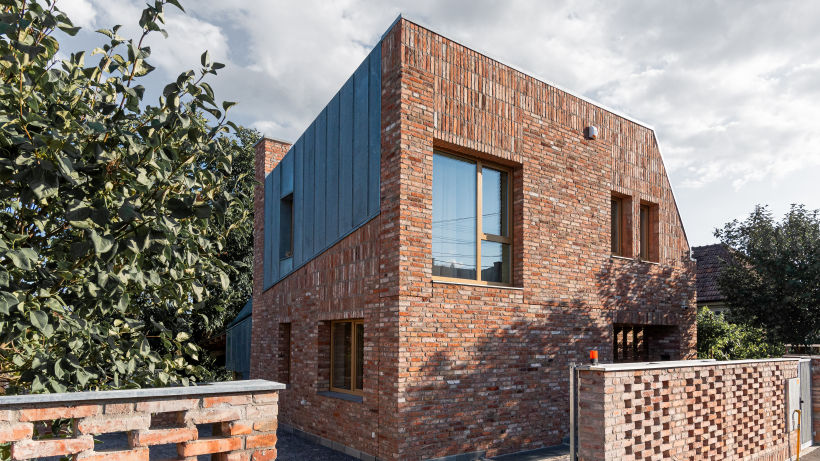
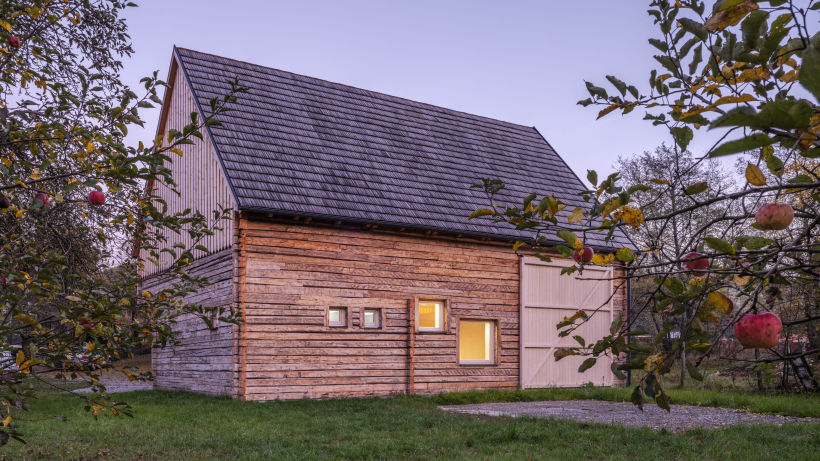



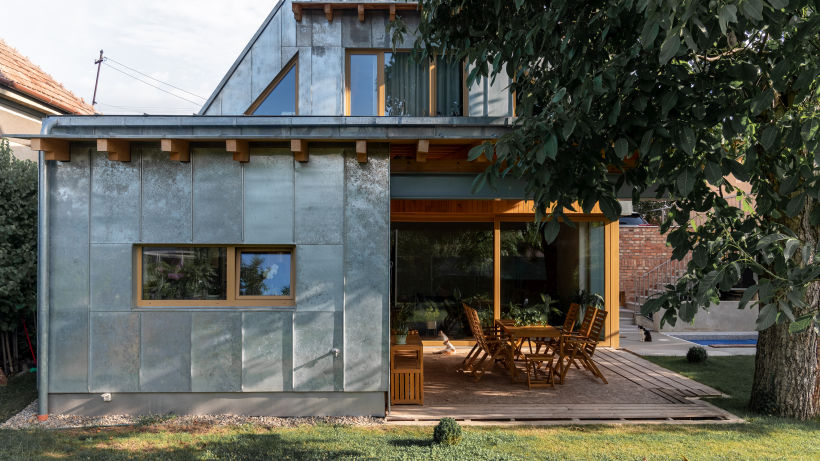

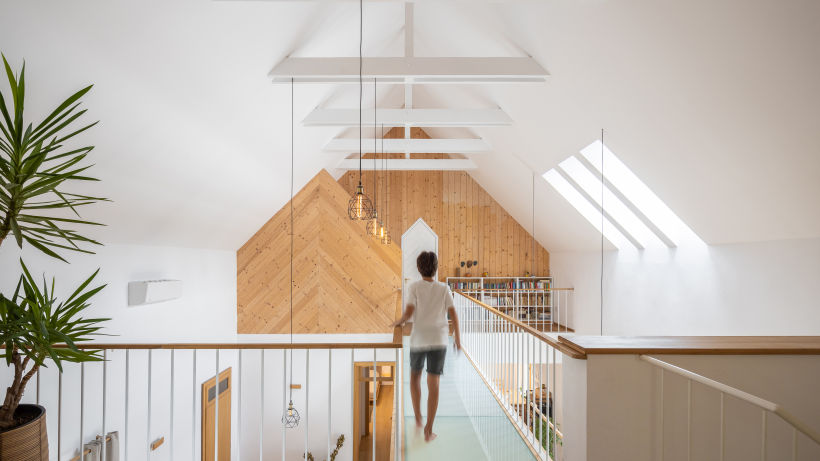
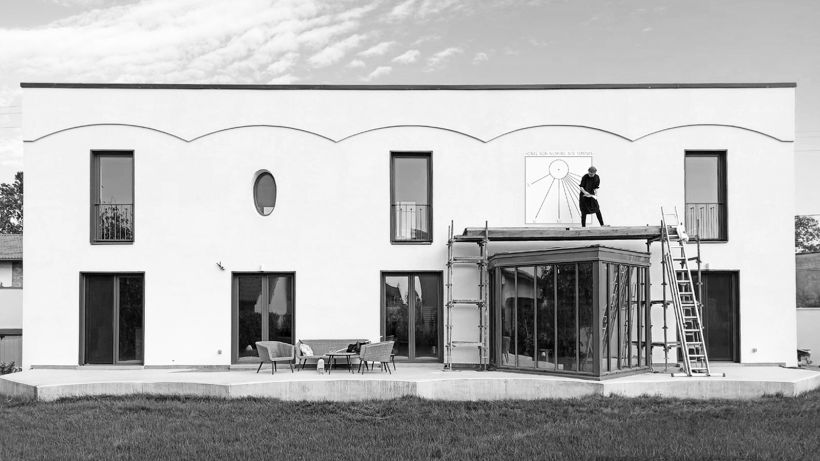
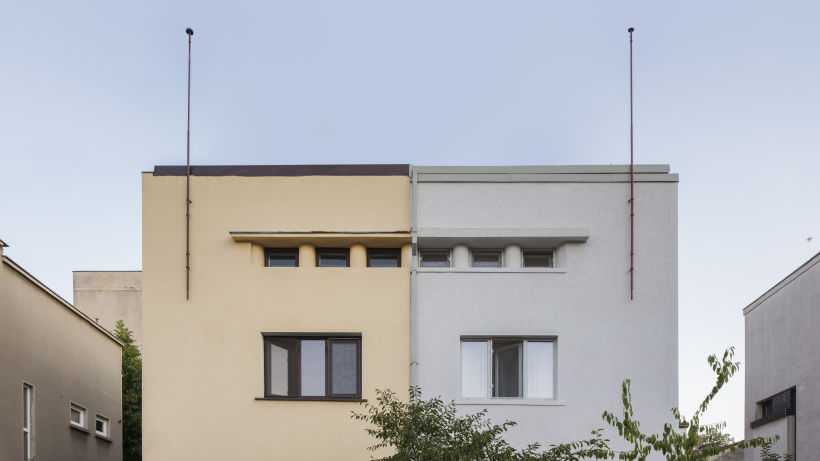
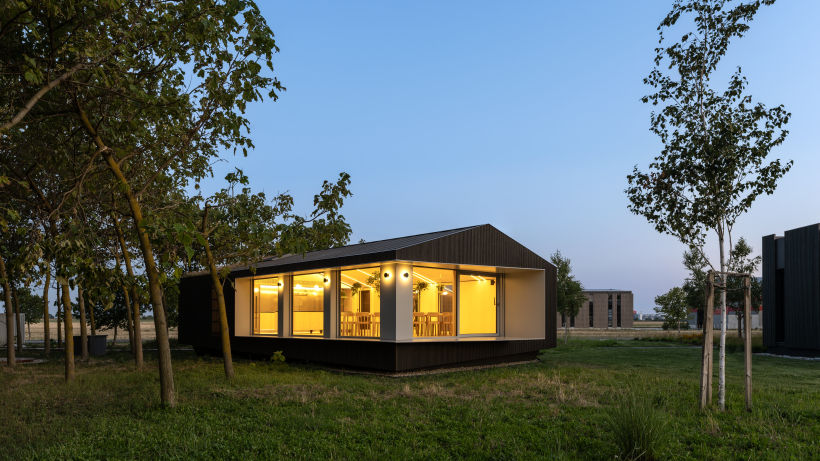
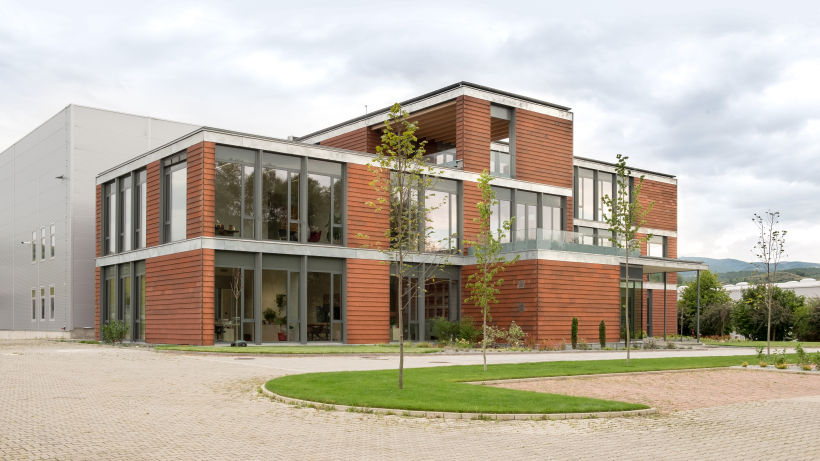
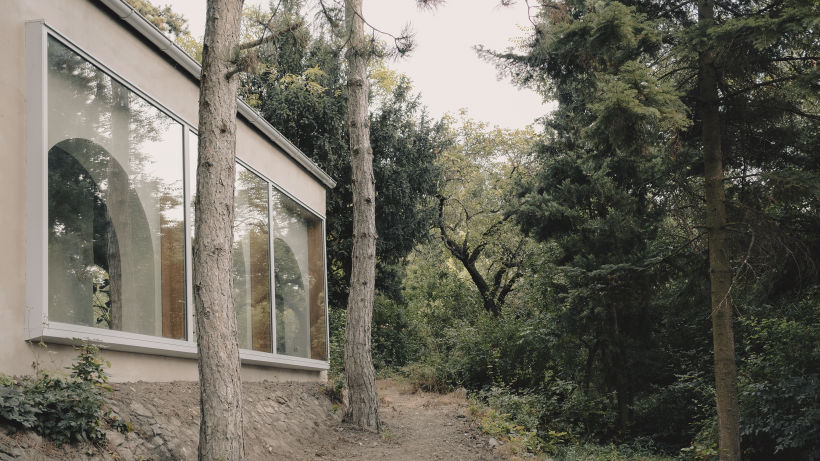

The single-family house remains the most desired and prevalent form of dwelling. It dominates the suburbs shaped on the American model, as well as the vast informal settlements of South America, Asia, and Africa. Yet, as an architectural and urban ideal consciously embraced by professionals, its reputation has steadily declined. Our collective imagination still clings to the classical house with a garden — the kind found in pre-war villages and towns. But today, the detached home has become one of the engines driving an urban explosion whose scale far exceeds even that of the great metropolises of early modernity.
From an ecological and sustainability standpoint, its impact is disastrous. Low density leads to excessive consumption of natural land (directly or through road networks), pollution from inefficient transport systems and car dependency, sprawling utility networks, and poor ratios between envelope and volume. No matter how many “eco” devices (insulation, renewable energy systems, etc.) you pack into such a structure, it remains inherently anti-ecological. I know several architectural offices that, on ethical grounds, now refuse to design single-family houses altogether. In places of extreme density — the city-state of Singapore, for instance — such dwellings are outright banned, and not in the name of communism, but within an ultra-capitalist framework.
Beyond these issues, postwar individual housing has also come to embody social disintegration: a life oscillating between home, work, and commercial, leisure, or healthcare services accessible only by car — a life deprived of access to culture, to social interaction, to everything that defines urbanity. (…)
Text: Cătălina Frâncu
Photo: Marius Vasile (library of Mircea Alifanti)
Dossier: Single-Family Homes
Coordinators: Cătălina Frâncu, Ştefan Ghenciulescu
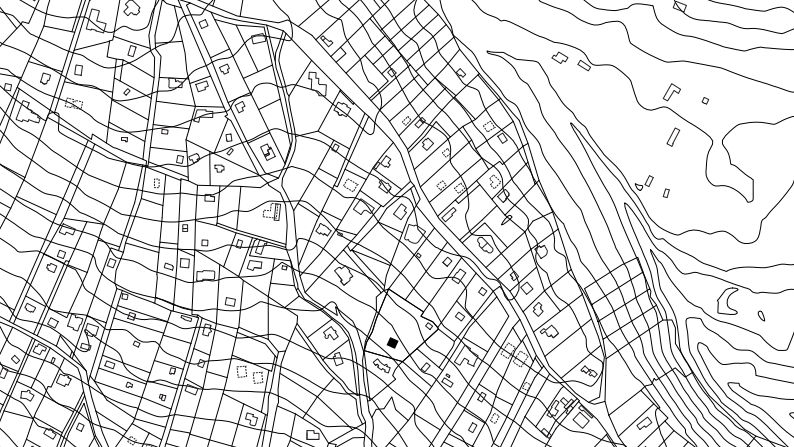
Abruptarhitectura: THREE HOUSES ON THE CITY LIMITS
Single-family dwellings in Bragadiru, Mogoșoaia, and Voluntari
Text: Cristina Constantin, Cosmin Pavel
Photo: Vlad Pătru, Cristina Constantin, Cosmin Pavel
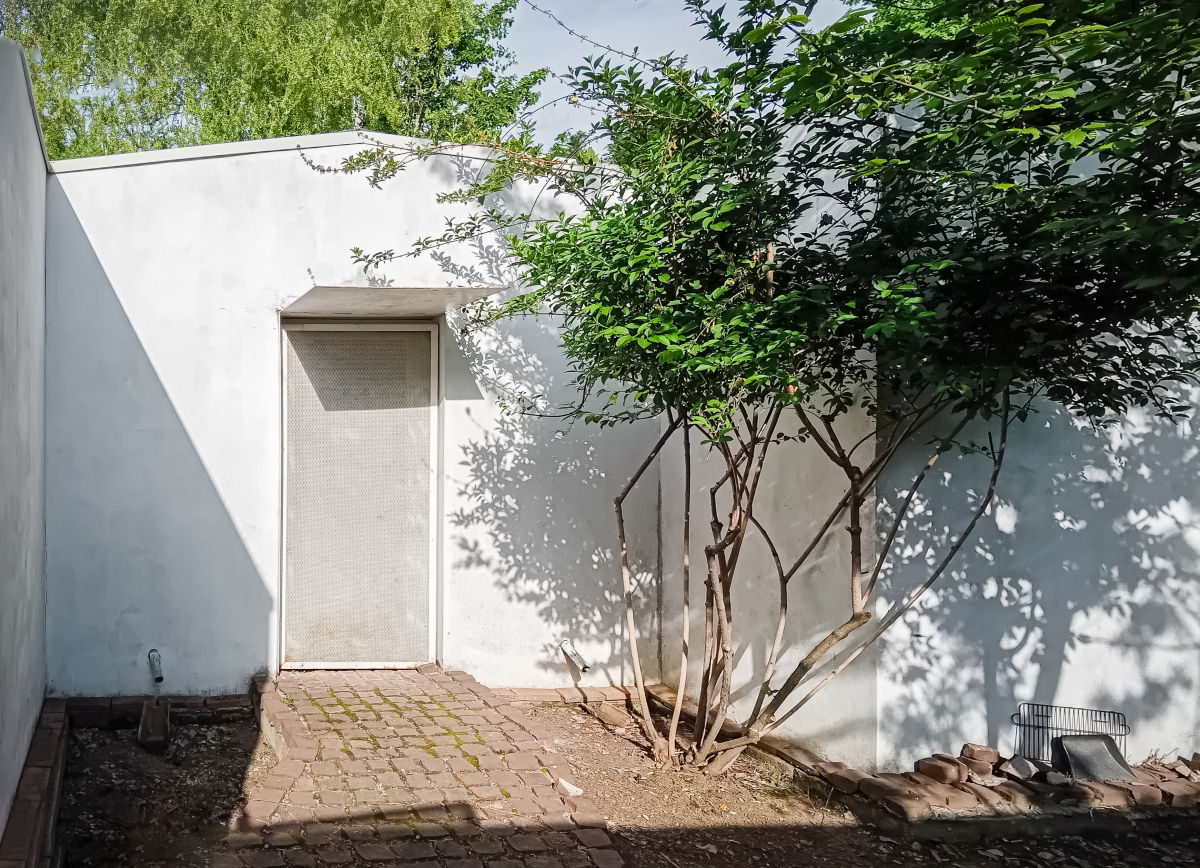
Behind each project outside Bucharest lays the attempt to formulate an answer to broader architectural questions—such as identity, relationship with the suburb, (self) constraint, or architectural principles.
- In Bragadiru – Module
- In Voluntari – Archetype
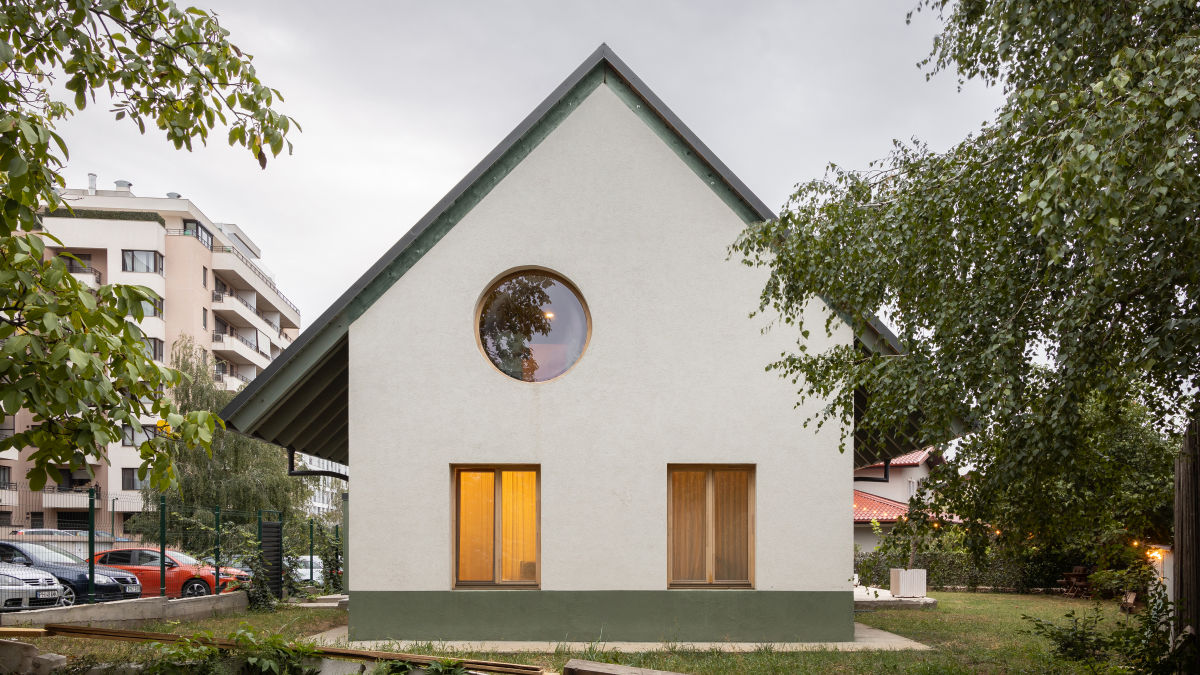
- In Mogoşoaia – Model
25 Years Later
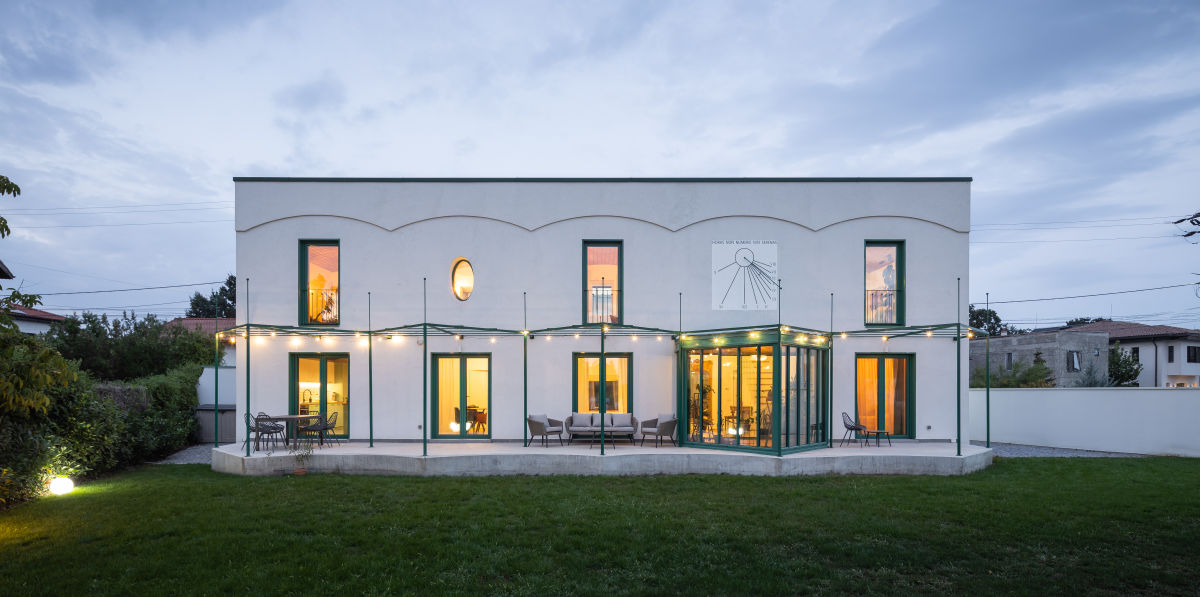
STARH: DL House, Bucharest
Text: Ștefan Ghenciulescu
Photos: Vlad Pătru
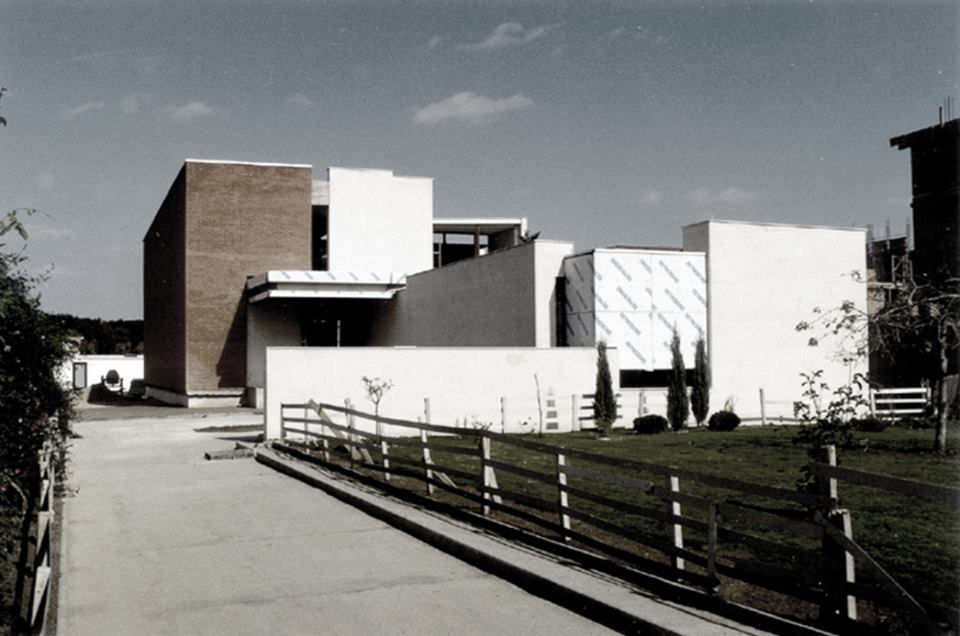
Twenty-five years ago, I did my very first interview with Iulia and Florian Stanciu. for this same magazine. The house I will talk about here was under construction at that time, the last in a group of neo-modernist villas in Bucharest that we, as students and young architects, regarded with fascination.
Casa Ma
Bxd arquitectura & Cra-De.studio: Refurbishment and extension of a small multi-family building, Sant Cugat del Vallès (Barcelona)
Text: Francesc Buixeda, Jean Craiu
Foto: Aleix Bagué
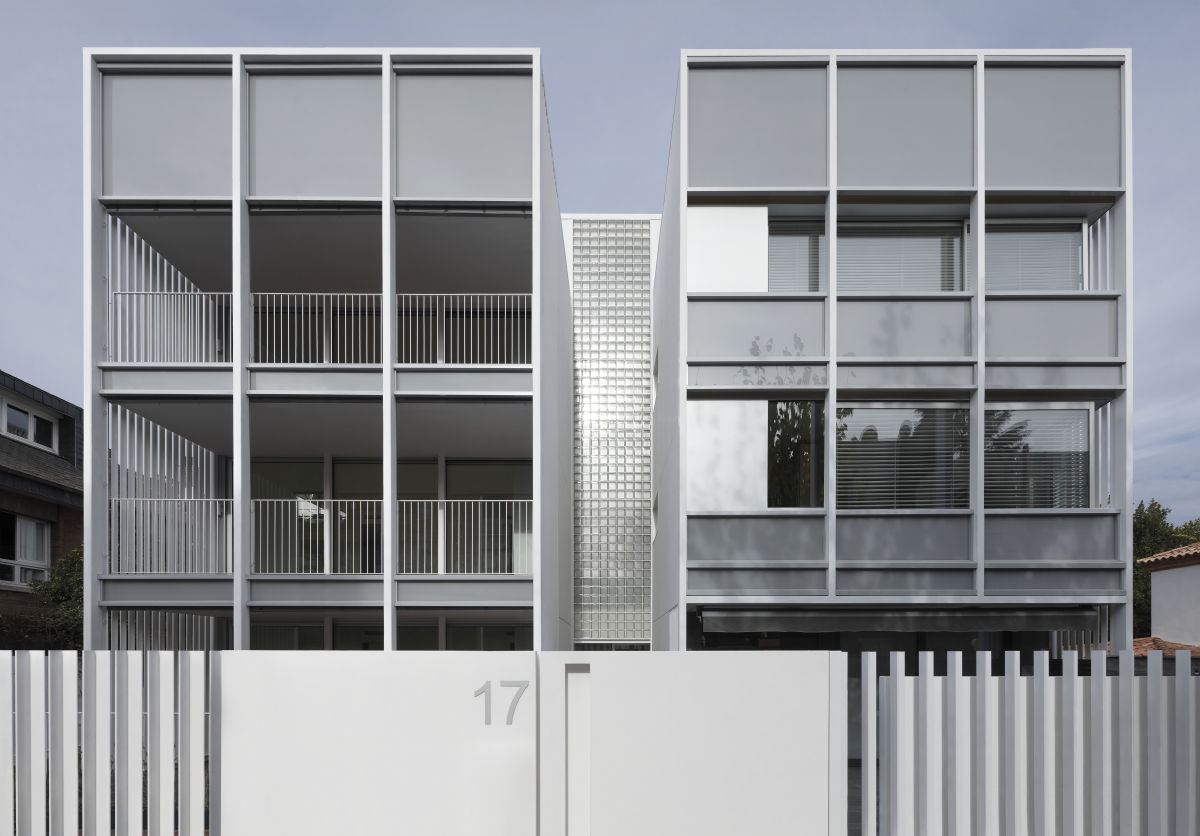
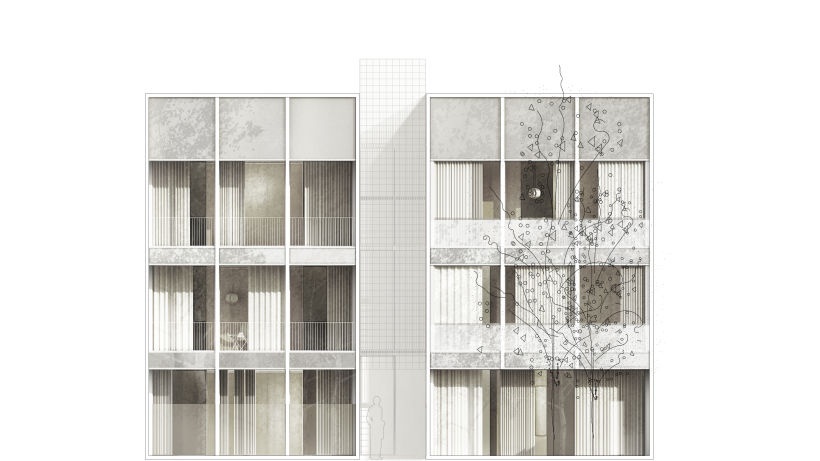
The image is deceptively simple: the two prisms separated by a staircase tell a complex story of densification, innovative modular construction, climate-adapted housing, and the taming of light.
Following Nature’s Contours
Tectum: “The Tinsmith’s House,” Cluj
Text: Orsolya Szilágyi
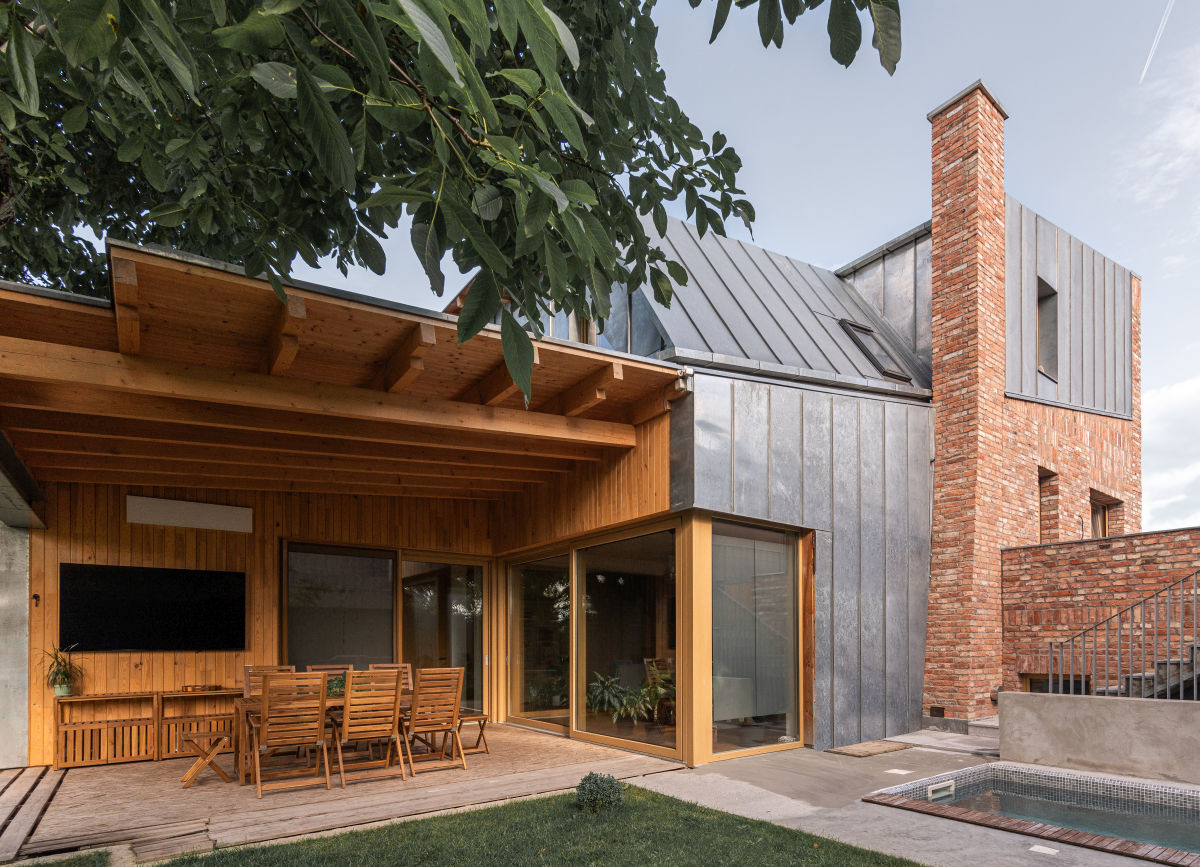
In one of the city of Cluj’s quiet residential neighborhoods, on a sloping site, stands a house that both respects and enhances the natural character of its surroundings.
A Zero Degree of Architecture
House on the Hill, Brădet
Project, text, photos: Andrei Mărgulescu
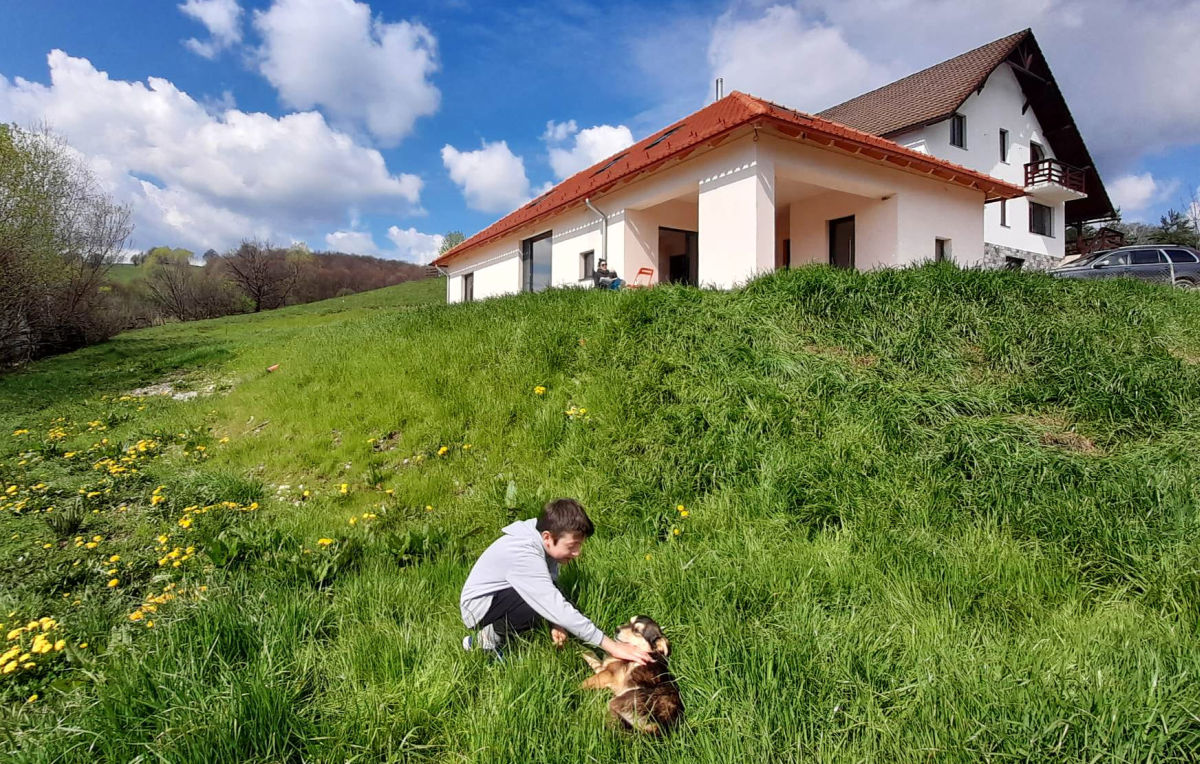
Reduction and human scale: a prism, a hipped roof, square windows — and a surprisingly complex interior.
Garage Superstructures
Falk Schneemann Architektur: Housing in Karlsruhe Rintheim, Germany
Sensible densification in an apartment block neighbourhood built in the ‘50s.
Text: Falk Schneemann Architektur
Foto: Stephan Baumann, Chiara Bellamoli
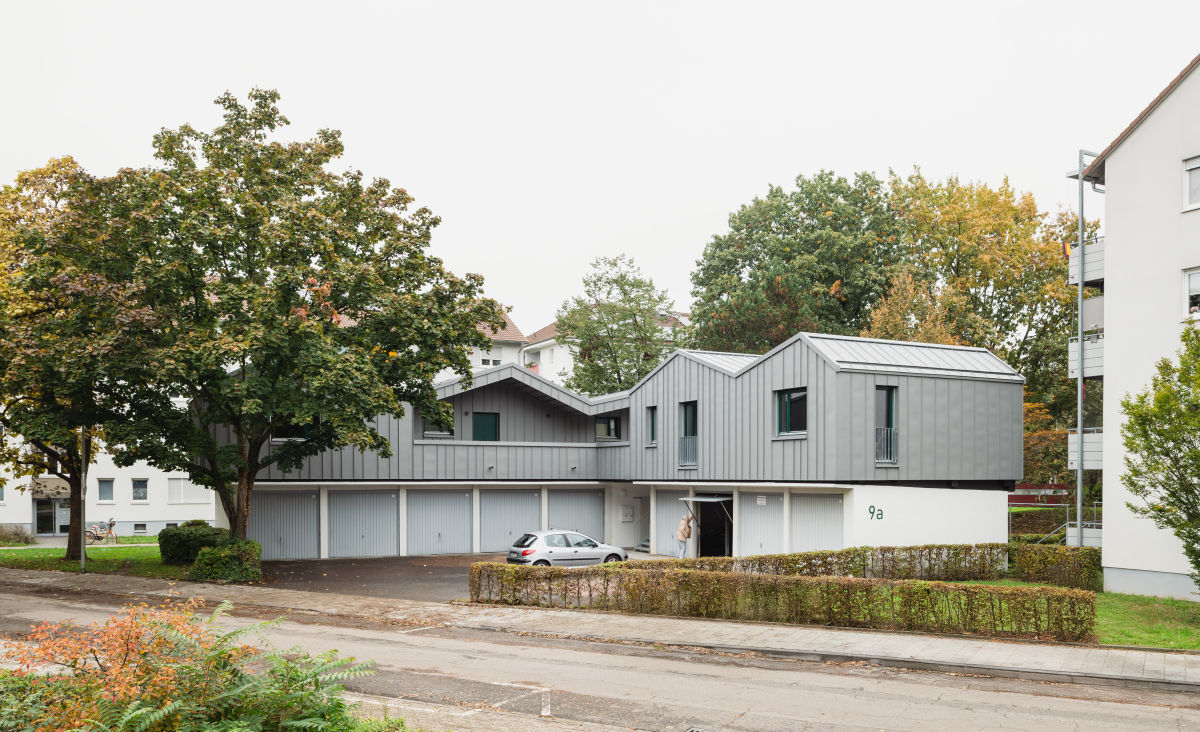
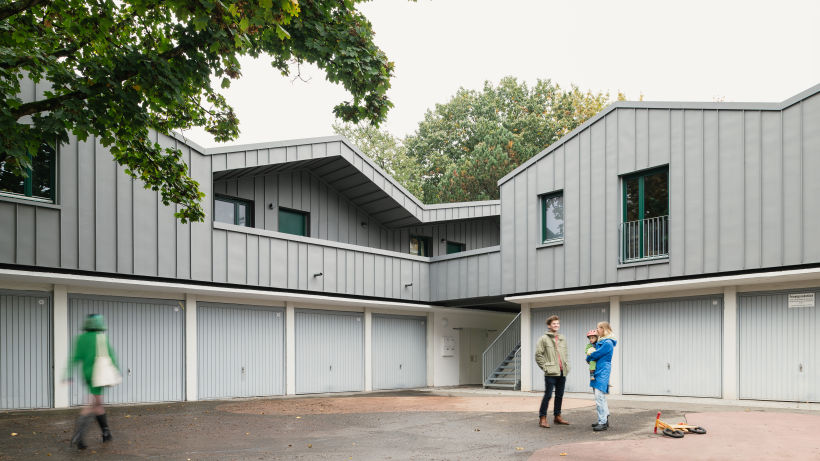
In the Rintheim district of Karlsruhe, three ordinary post-war garage rows have become the unlikely support for twelve new homes. The project does not erase the garages — they remain in operation — but builds upon them, literally and conceptually, as a model of sustainable densification.
Rising slightly
Vinklu + Blanc Architecture: Rehabilitation and Extension of an Interwar Paired House
Text: Ștefan Păvăluță, Răzvan Drînceanu
Photos: Răzvan Drînceanu
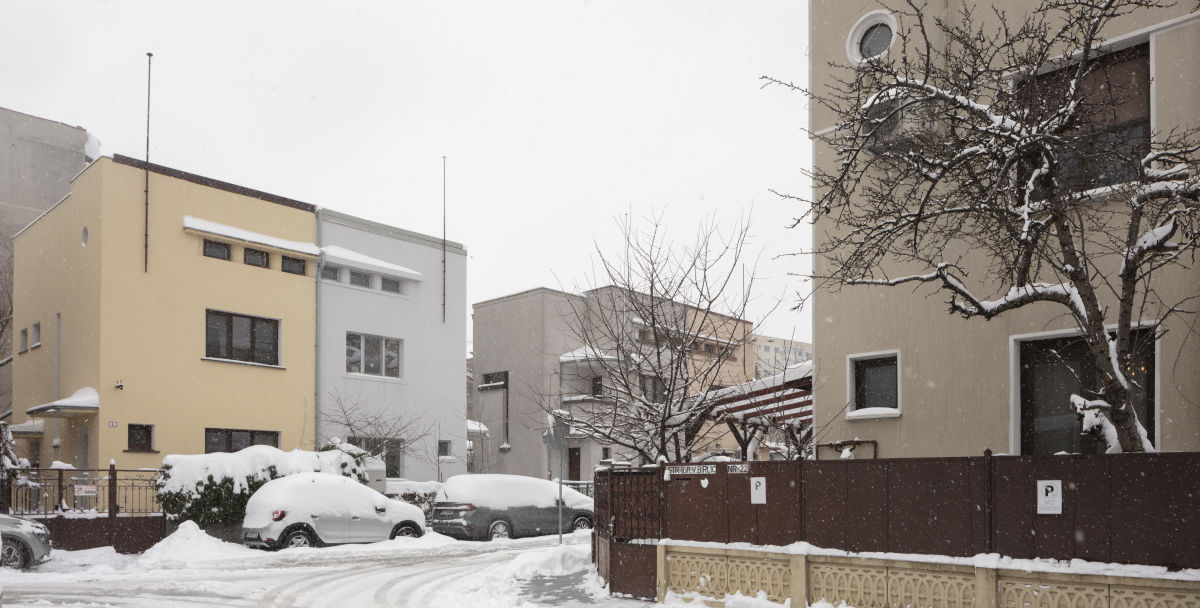
Vatra Luminoasă is a garden-neighbourhood of subsidized housing, largely built in the interwar period. The architecture of most houses has been irreversibly altered, and the urban character suffers from rampant densification caused by a combination of small plots and speculative building, despite the area’s popularity. The present project is an example of civilized densification.
Dignifying instead of destroying
arkt studio + projectroom: From food storage to dwelling, Szentendre
Text: Miklós Péterffy, Gábor Fábián, Dénes Fajcsák, Veronika Juhász
Photo: Veronika Juhász
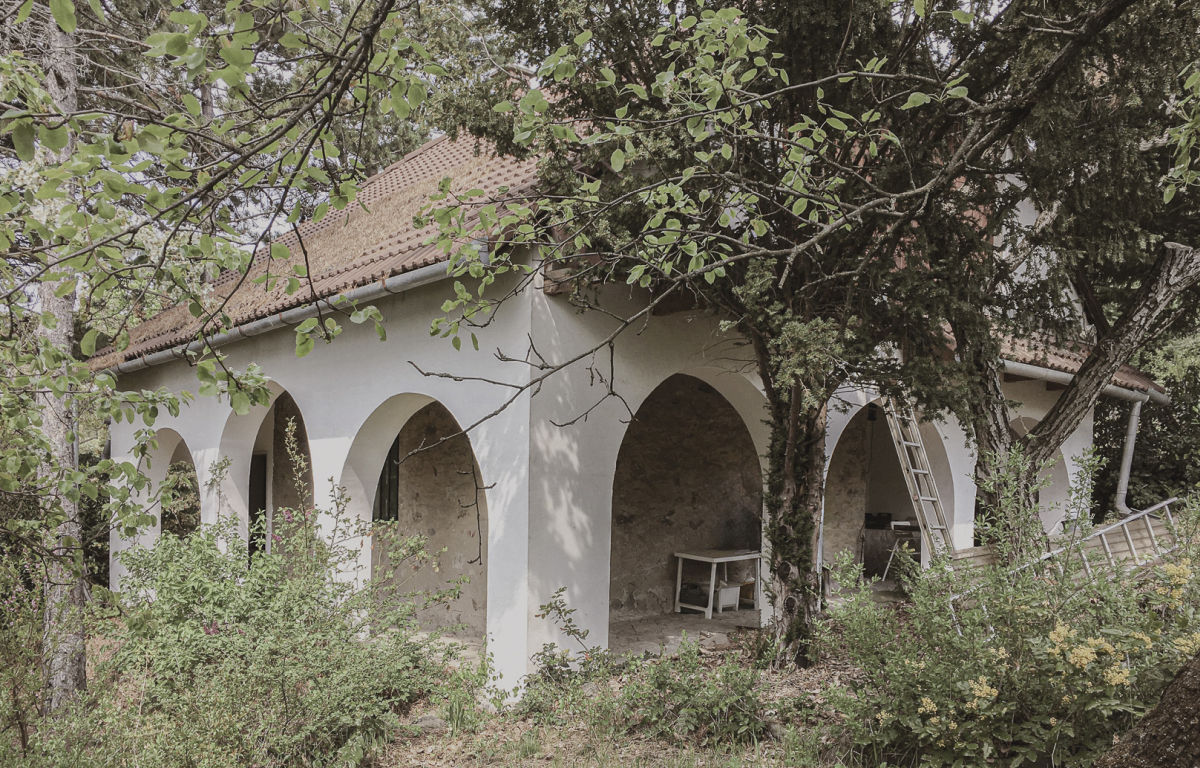
An old annex; a ridiculous 1980s extension; and a rehabilitation project that preserves and unifies.
Life in the Countryside
Vlad Sebastian Rusu B.I.A.: Restoration of a Home and Barn in Cluj County
Text: Vlad Sebastian Rusu
Foto : ywp.studio
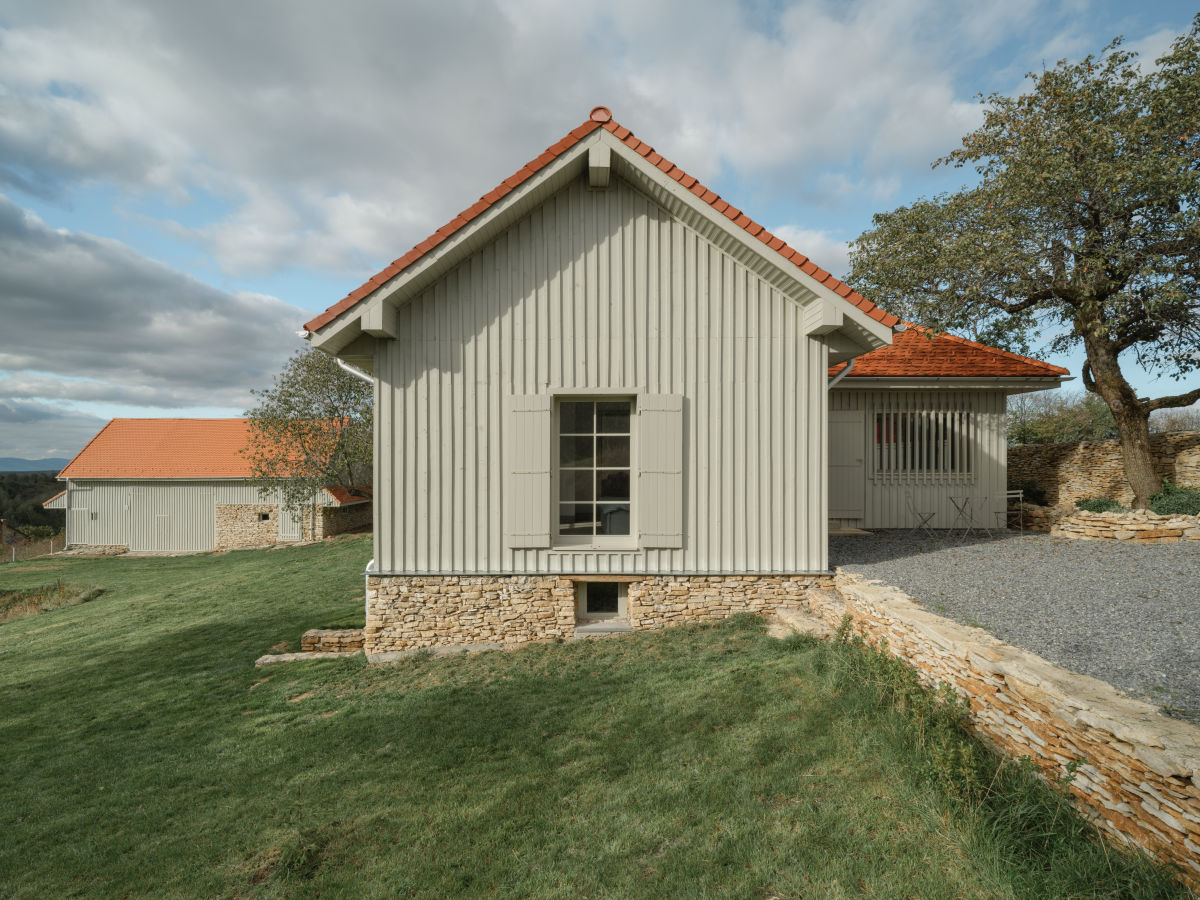
NiNeither a pastiche nor a drastic transformation: the homestead has been restored and converted into a contemporary permanent living space, without additions and by keeping most of the original substance
In the Back
dpdastudio: Rehabilitation and Extension of a Traditional House, Gârciu
Text: Dénes Péter
Photos: Szigeti Vajk István
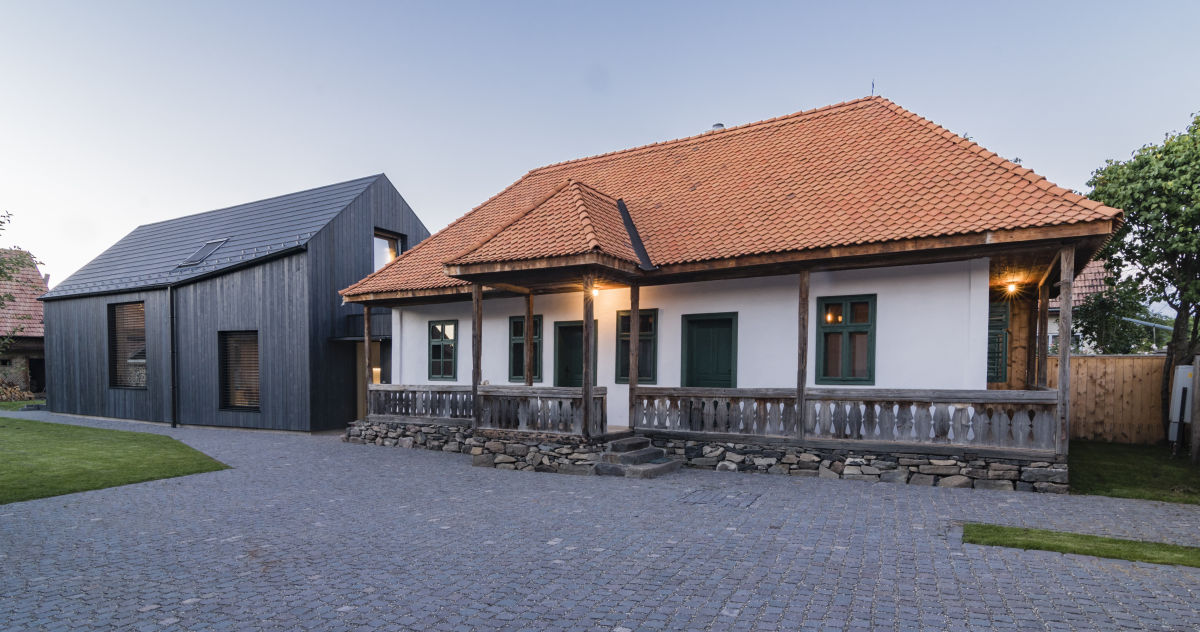
This project was born under fortunate circumstances: my sister and her family, who were living in Târgu Mureș, were preparing to move back home. I encouraged them not to build a new house, but instead to look for and adopt an existing household in the Ciuc region.
Anastylosis
DPDAstudio: Cultural Barn, Zeta, Sub Cetate
Text: Lőrincz Barna, Dénes Péter
Photos: Bujnovszky Tamás
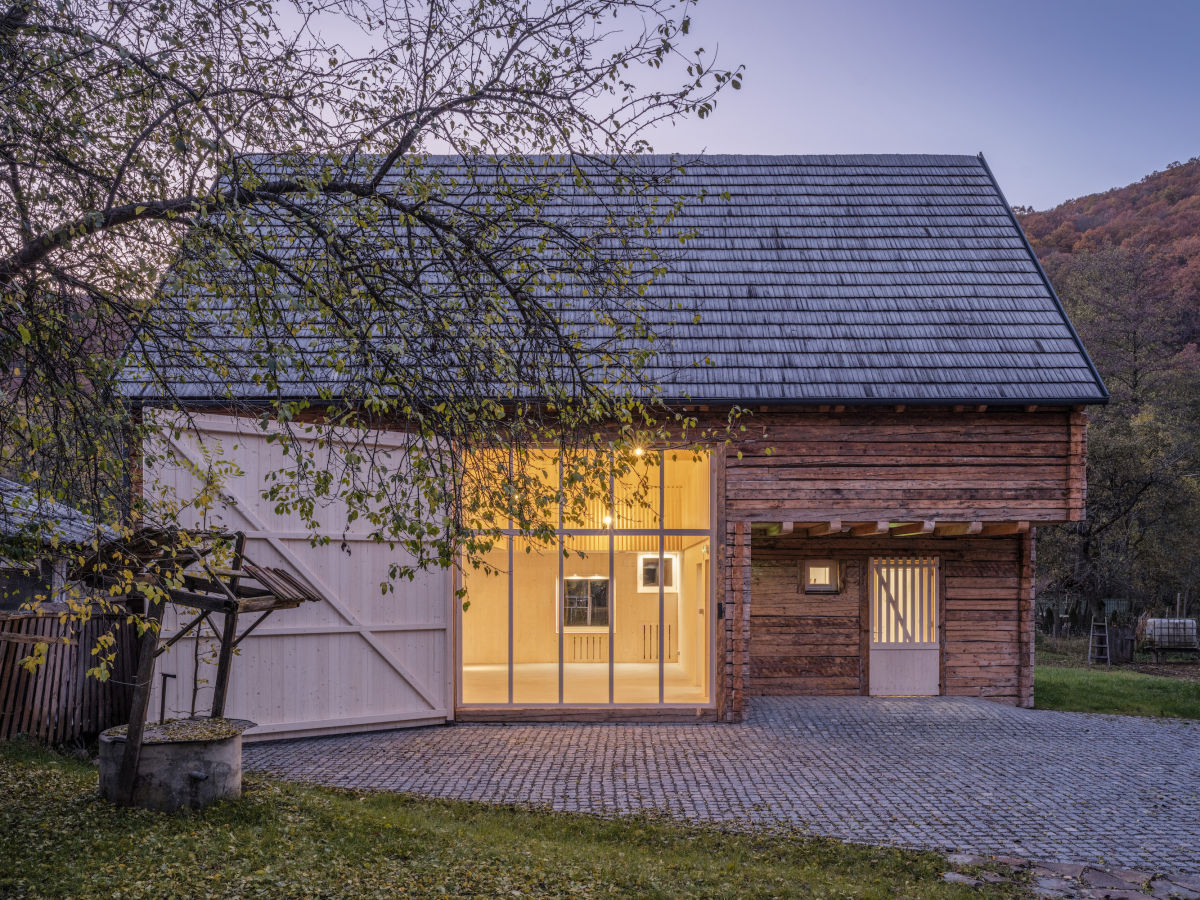
Recovered fragments of old buildings, a new structure, and two skins come together to form a contemporary rural space.
Highway to Hay
Hay Barn, Sadova
Project, text, photos: Daniel Miroțoi
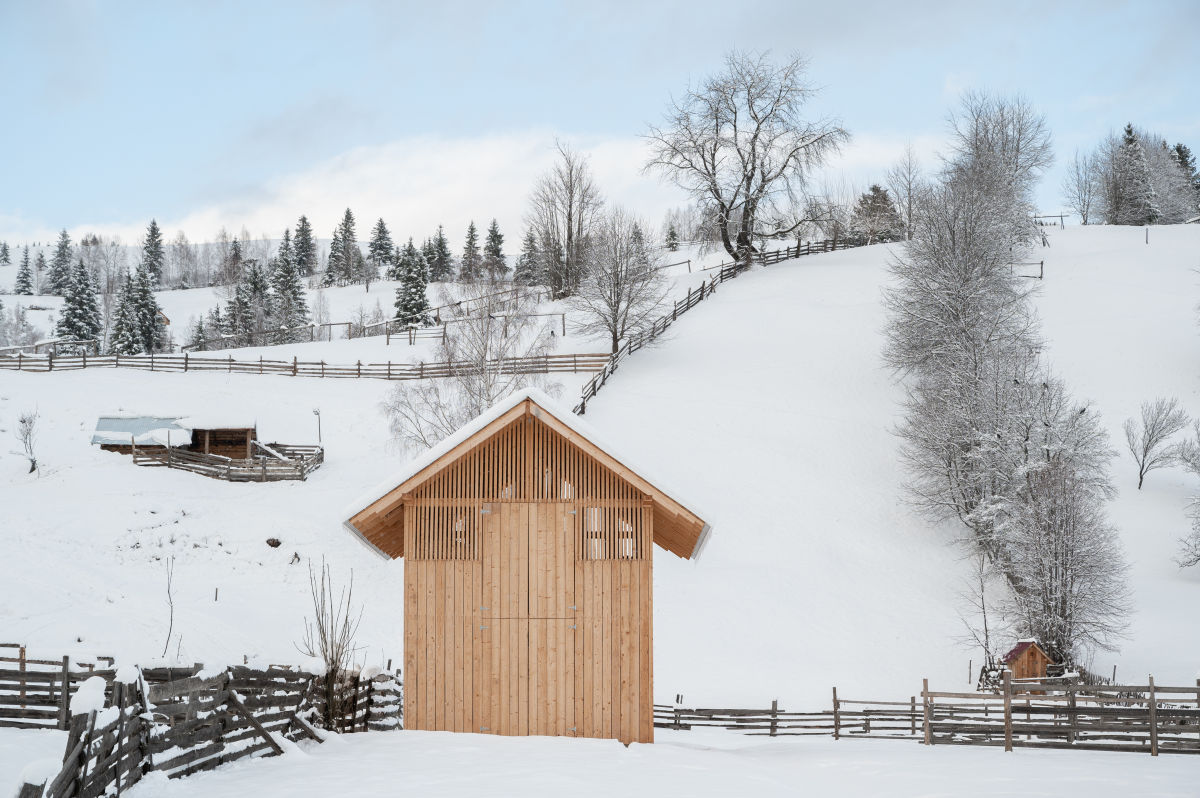
Why an architect should also design annexes in the countryside?
DOSSIER: Prefabricated Micro-Housing
Dwellii and the Niche Market for Small Homes
Reporter: Cătălina Frâncu
Photos: Cătălina Frâncu, DWELLII; Corvin Cristian, Adrian Oancea
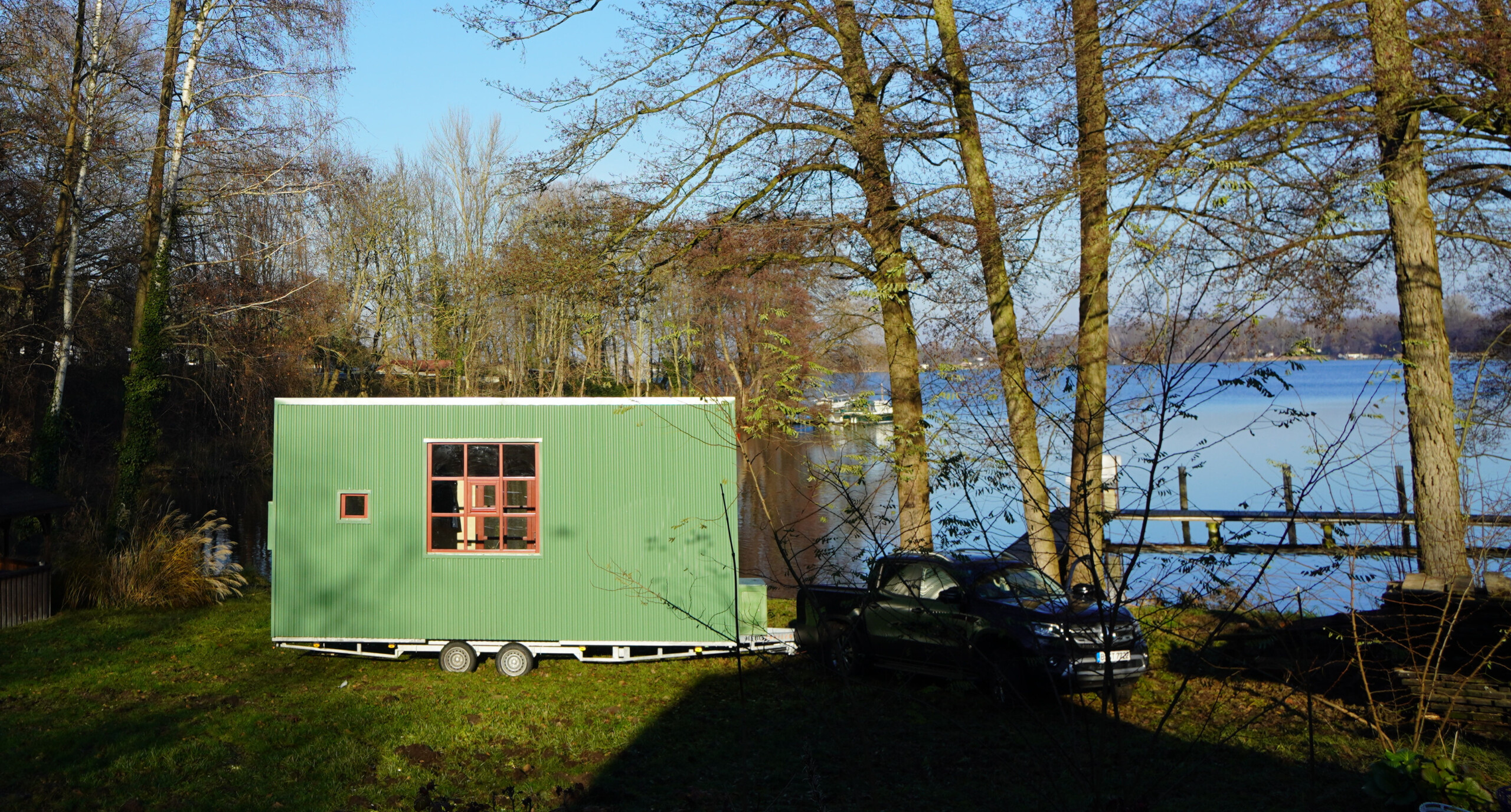
How the elderly live in Germany; what if the RV (recreational vehicle) was actually a house; and the house with an urban interior that can be camouflaged anywhere.
- Interview with Horia Bălan, CEO of DWELLII
It all started with the Eichler houses. Horia Bălan, who has been close to architecture since high school, was already following the beautiful houses from Brașov. “You can’t find out what is beautiful if you don’t experiment, if you don’t look carefully”.
- The Houses and the Architects. BAAB — The House on Wheels
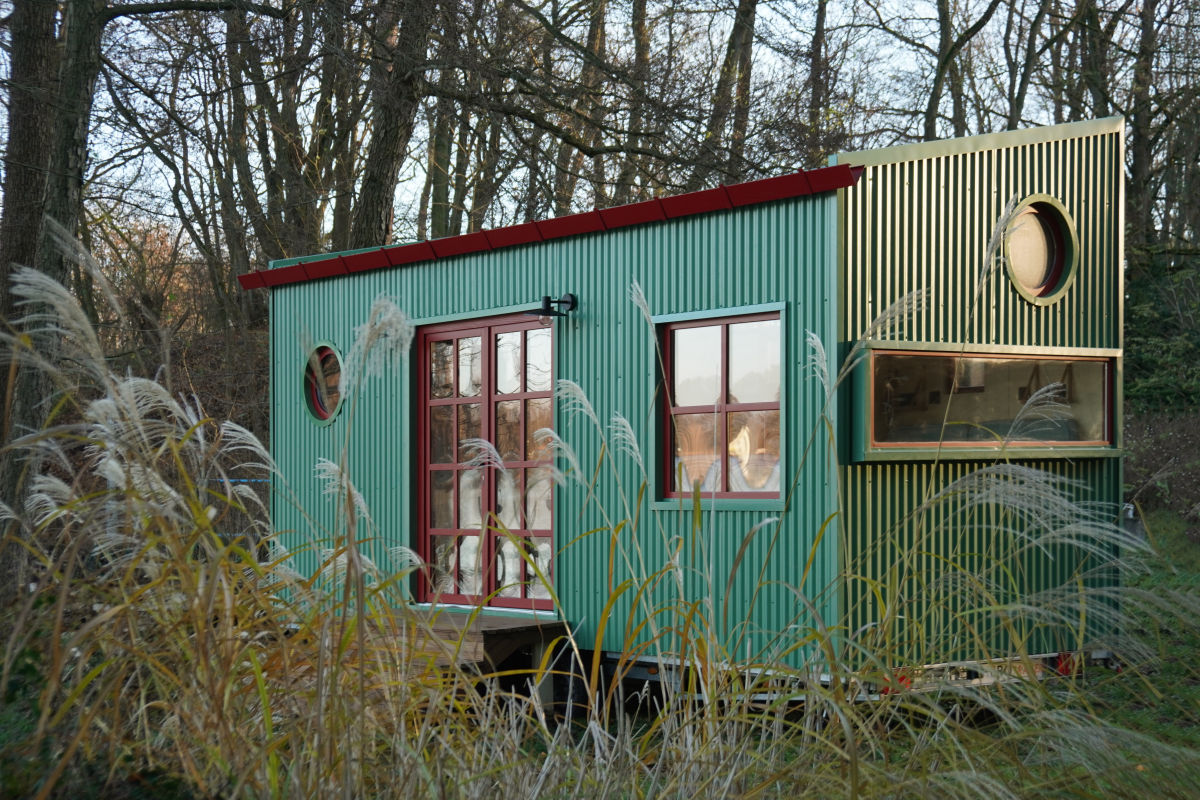
Irina Niculescu Belenyi and Alexandru Belenyi — BAAB, for short — threw themselves into one of the most challenging situations for architects: tiny spaces, and even more so, on wheels. The brief was a house that can be moved from the mountains to the sea and back, twice a year ; somewhere at the intersection between an RV (Recreational Vehicle) and a simple wooden structure.
- CRAFTR — Small Dwelling
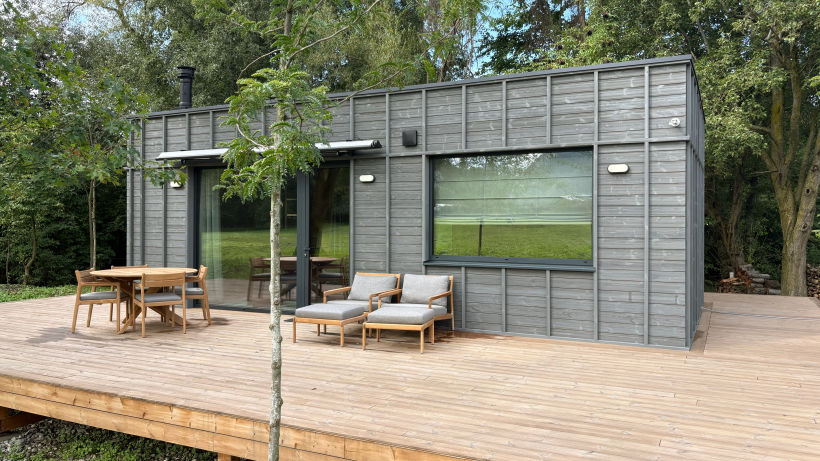
The houses in Râșnov are very close to the minimal living unit. Inserted into a natural landscape, close to a stream and with a meadow in front, they look like two small gemstones still remaining in the rock.
- Adrian Oancea, Corvin Cristian, The Passive House
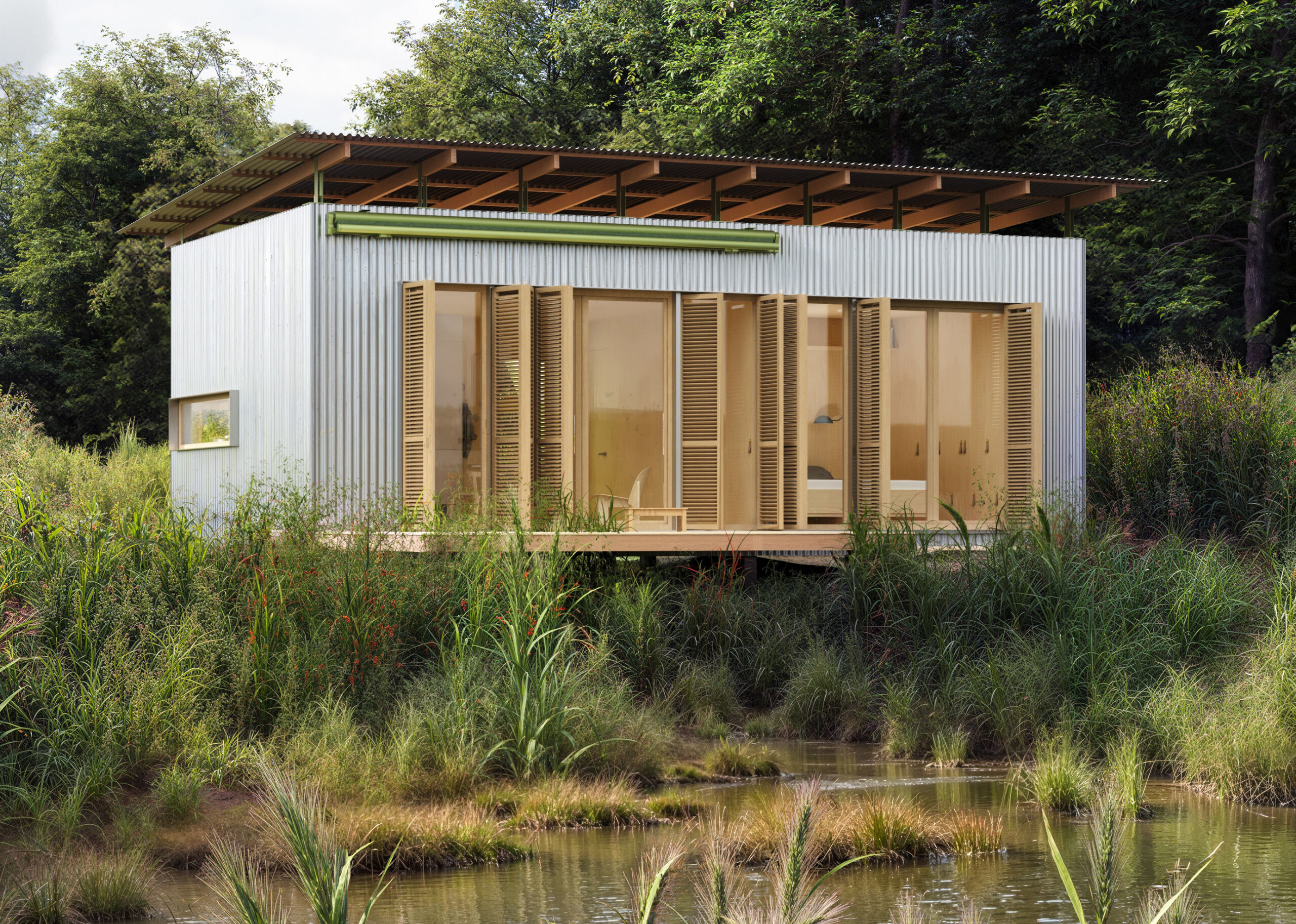
Still in the factory, the CC house is the passive dwelling in the middle of nature with a gentle and almost urban interior. Designed to recover heat through the ventilation system, with wooden sashes and underfloor heating, as well as a sustainable cooling system, the design brings the passive house from an individual project into a production line. In 48 sqm, the kitchen, dining room, bathroom, and bedroom fit comfortably, all with adequate storage spaces, without compromising the openness to nature.
A Meeting Place and a Prototype for Living
Noi Studio + Tehnicas: Modular House
Text : Alexandru Damian
Photo: ADMO Studio – Ovidiu Micșa
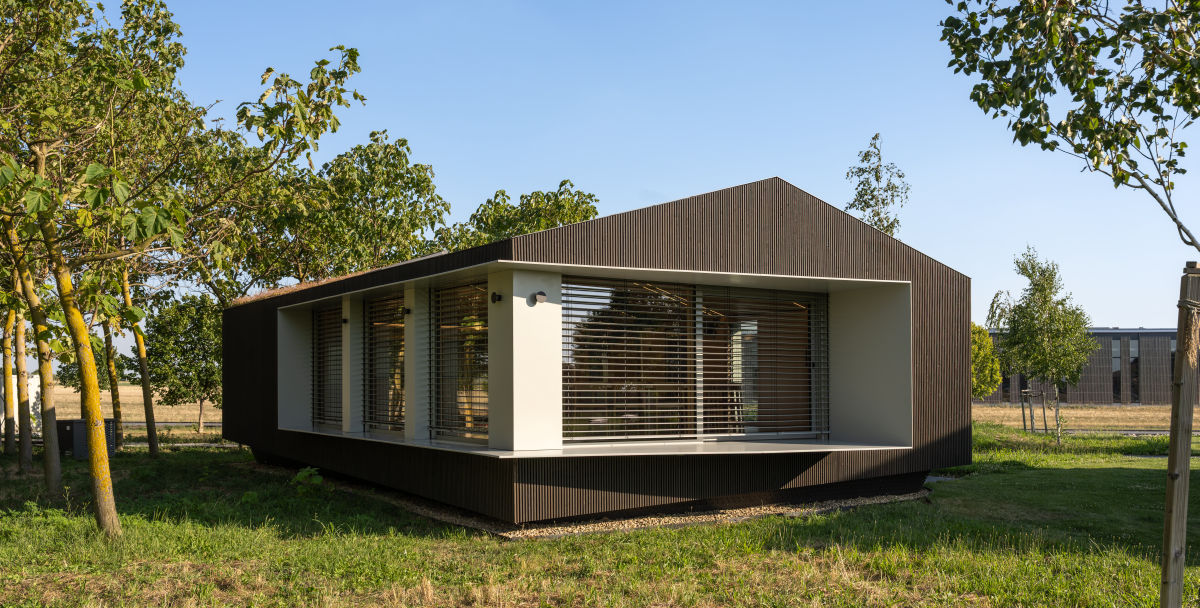
In this modular housing experiment, wood takes center stage, supported and complemented by a series of spatial and architectural details in metal.
Modular and Packable
The Cătun System
Text: Sorin Axinte, Florin Cobuz
Photos: Cătun
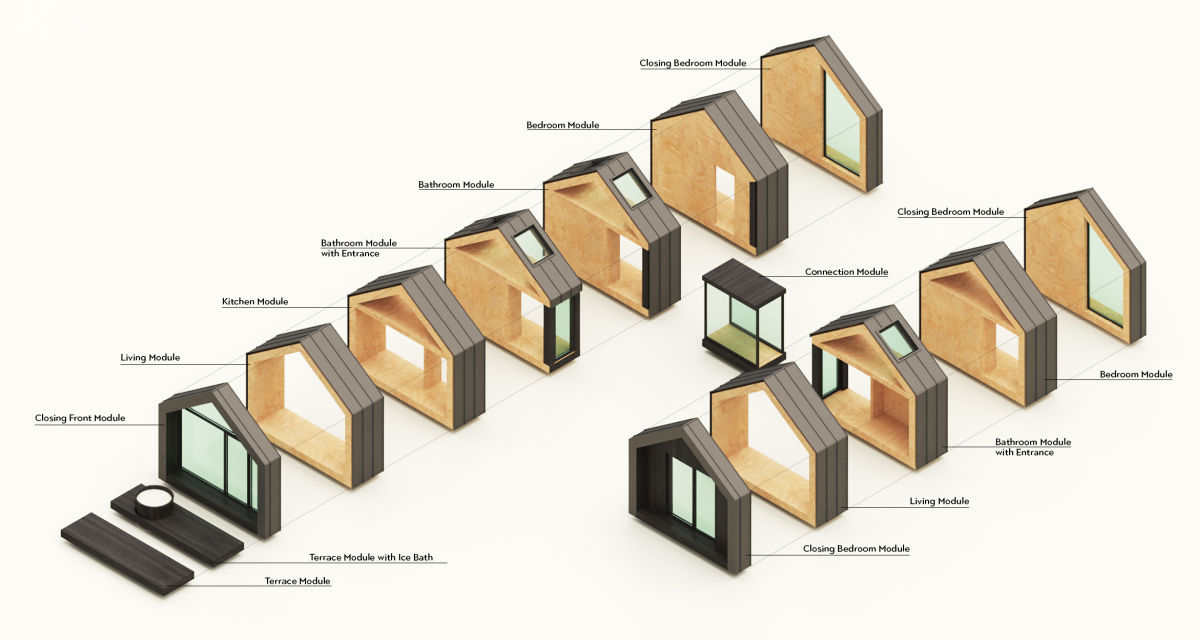
In this case, modular truly means “made of modules” — standardized, identical, and interchangeable units. “Cătun (“Hamlet”) system allows modules to be added or removed (thus increasing or reducing the usable area) without damaging the structural elements.
A House Is Not a Home
Cosmin O. Gălățianu
„A chair is still a chair, even when there’s no one sitting there
But a chair is not a house and a house is not a home
When there’s no one there to hold you tight
And no one there you can kiss goodnight”
In December 1986, at the 19th NAACP Image Awards, Luther Vandross took the stage of the Wiltern Theatre in Los Angeles to perform “A House Is Not a Home”, a tribute to Dionne Warwick, the song’s original interpreter. Through his trademark glottal “attacks,” Vandross transforms Burt Bacharach’s ballad into a hypnotic gospel monologue on at-homeness, cementing it within the soul canon and turning it into a touchstone of the genre. Yet, beyond the sheer vocal virtuosity, his rendition gives Hal David’s lyrics renewed cultural charge: the phrase “a house is not a home” becomes a kind of proverb for a domestic equation: a house becomes a home if and only if it is consecrated by a constellation of emotional states.
ZOOM
Zeppelin Design: Casino Exhibition Center
Text: Cosmina Goagea
Foto: Vlad Pătru
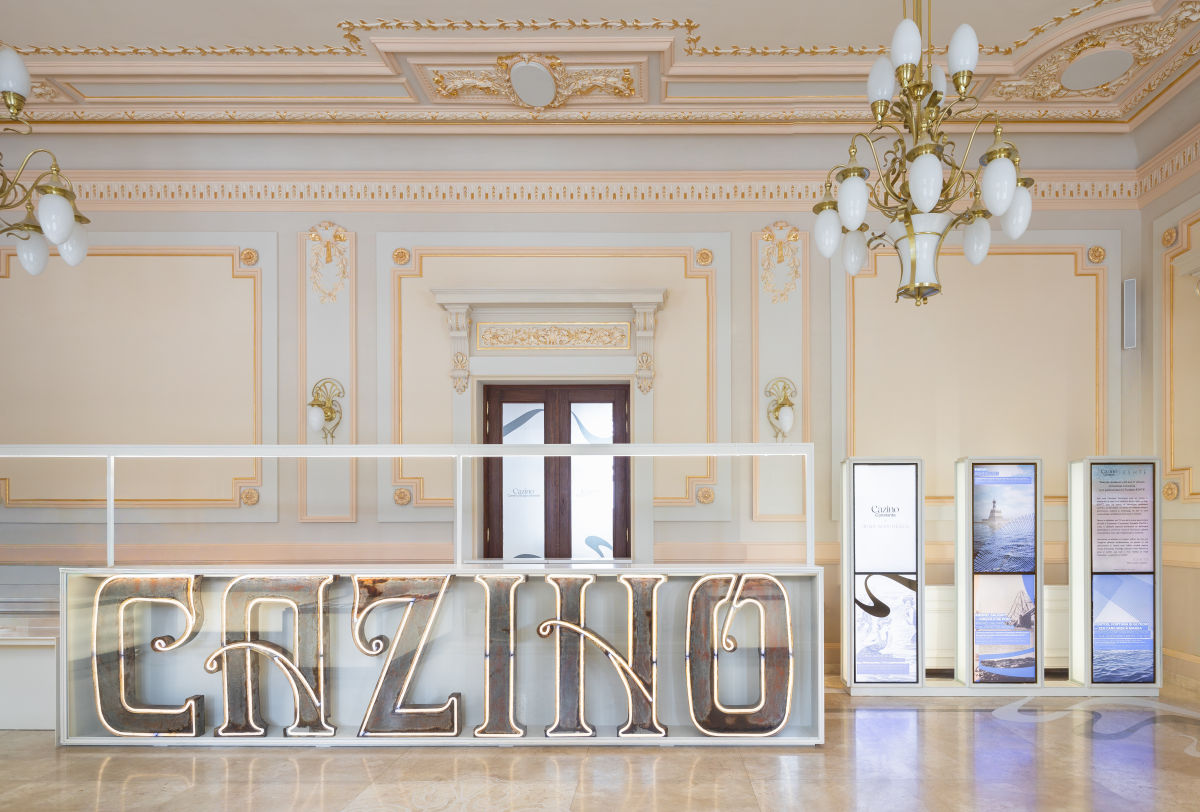
In 1910, when the Casino first lit up its lights, it represented a statement of modernity, a manifesto of a courageous and avant-garde Romania, looking to the future. Today, after a five-year restoration, the Casino shines again, not only as an architectural monument, but also as a dynamic cultural space, where contemporary culture and leisure intertwine in a living spirit, open to all.
The project carried out by Zeppelin Design consists of creating the exhibition center inside the building, integrating both the curatorial concept, the historical and scientific content as well as the exhibition design and the multimedia project experience. The surface area of the exhibitions is approximately 1100m2. Between the opening in May 2025 and October, the number of ticket-paying visitors is approximately 170,000.
Housing, Neighbourhood, and District
The Resident’s Guide and Studies on Housing in Romania
Text: Daniela Calciu
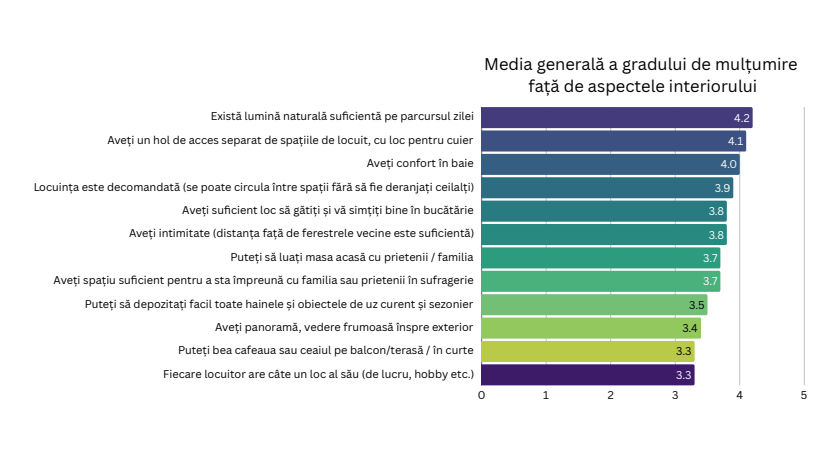
The quality of housing, between social urgency and cultural construction.
What matters most when you’re looking for a home?
The Care Map
A Brief Introduction to the Zeppelin Podcast, Six Interviews About Care
Text: Cătălina Frâncu, Teodor Călinoiu
Photo: hartaingrijirii.ro programmed by Răzvan Vasilachi
About the infrastructure that is invisible until we need it.
Network, Module, Technology
Tektum: Mendola Ecopassive WorkSpace, Vlaha
Text: Orsolya Szilágyi
Photos: Alexandru Fleșeriu
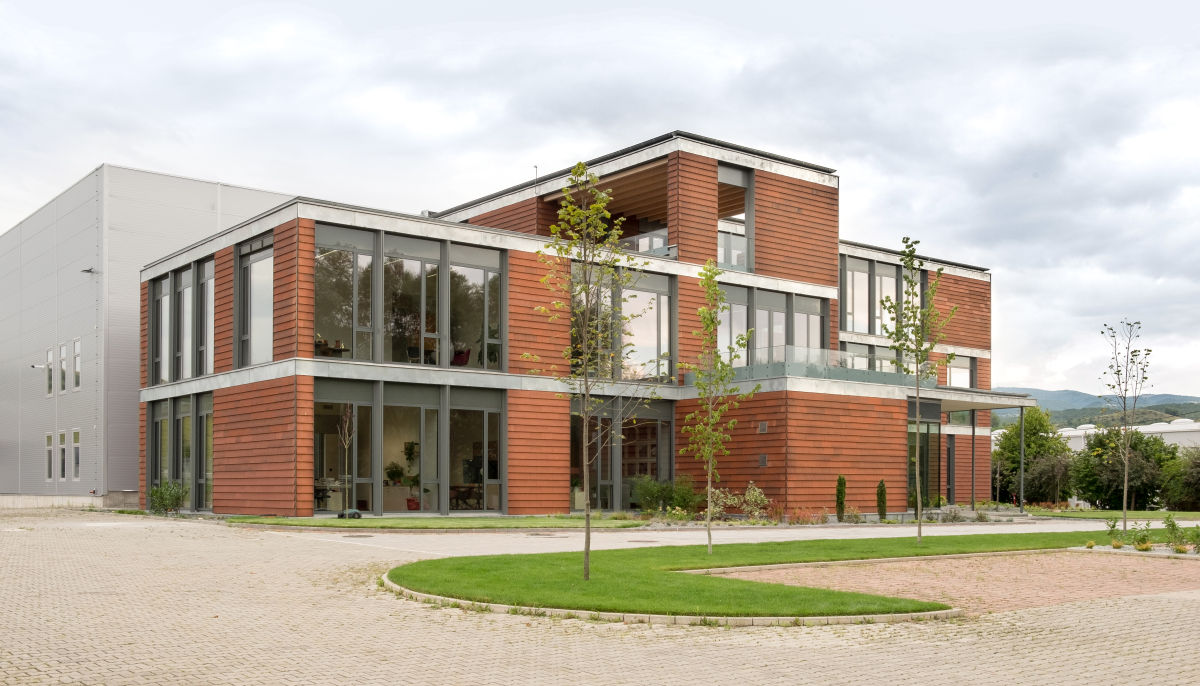
Located 20 km from the city of Cluj-Napoca, this is the first multi-story eco-passive office building in Eastern Europe. Its architecture is defined by efficiency, rigor, clarity, honest structural expression, and light.